
+86-17692703999
+86-17692703999 No. 6, West Side Auxiliary Road,
Sunshine Street, Linxi County, Xingtai
City, Hebei Province
Sunshine Street, Linxi County, Xingtai
City, Hebei Province

Views: 0 Author: Site Editor Publish Time: 2025-11-17 Origin: Site

Excavator bushings play a vital role in ensuring the smooth operation of construction and heavy-duty machinery. These components reduce friction, absorb vibrations, and protect moving parts, directly impacting the equipment’s performance and longevity. High-quality bushings help prevent excessive wear, downtime, and costly repairs.
However, many operators make common mistakes when selecting bushings, such as focusing only on price, overlooking material durability, or failing to match the bushing to the operating conditions. These errors can lead to decreased efficiency and increased maintenance costs.
In this article, we’ll highlight 5 common mistakes to avoid when choosing excavator bushings, helping you make better decisions to extend equipment life and improve operational efficiency.
Selecting the right material for excavator bushings is crucial for ensuring long-term durability and minimizing maintenance costs. The material choice directly affects the bushing's performance under various operating conditions.
Rubber Bushings are affordable and offer good shock absorption, but they wear out quickly under high loads or extreme temperatures, making them less durable in heavy-duty applications.
Steel Bushings are strong and can handle heavy mechanical stress. However, they are susceptible to corrosion if exposed to moisture or harsh chemicals, which can shorten their lifespan.
Bronze Bushings are known for their excellent wear resistance and corrosion resistance. These are ideal for high-load environments, though they come with a higher price tag.
Composite Materials (e.g., PTFE, PEEK) provide superior durability, wear resistance, and low friction. They are ideal for extreme conditions but are typically the most expensive option.
Wear resistance is essential to prevent the bushing from degrading quickly under friction, ensuring the excavator operates smoothly and efficiently.
Corrosion resistance protects bushings from rust and deterioration, especially in environments with moisture or exposure to chemicals.
Using low-quality materials can lead to several issues:
Premature wear increases replacement frequency.
Higher maintenance costs due to more frequent repairs and replacements.
Decreased performance and potential damage to other parts, reducing the overall efficiency of the excavator.
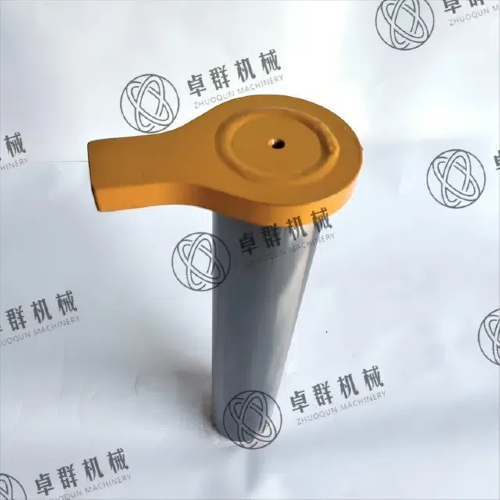
When selecting excavator bushings, it's crucial to consider not just the material, but also the equipment model and the operating conditions. Ignoring these factors can lead to poor performance, faster wear, and increased downtime. Here’s why these considerations are vital:
Size and Fit: Bushings must match the exact dimensions required for the excavator. A bushing that's too large or small can lead to misalignment, inefficient operation, and wear.
Load Capacity: Different excavators have varying load capacities. Heavy-duty models need bushings with higher load-bearing capacity to handle larger forces, while smaller models require lighter-duty bushings.
Temperature Extremes: Excavators in extreme temperatures need bushings that resist cracking or degradation. For instance, composite materials are better suited for hot or cold environments than rubber.
High Humidity: In wet conditions, corrosion-resistant bushings are essential. Steel bushings without coating can rust quickly in humid environments.
Dusty or Abrasive Conditions: For work sites with fine particles (e.g., mining), wear-resistant materials like bronze or composites help protect the bushing from premature damage.
Heavy Loads: For excavators lifting heavy materials or digging tough soil, bushings with higher load-bearing capacity are crucial to avoid premature wear.
Shock and Vibration: In environments with high shock and vibration (e.g., quarries), shock-resistant materials like specialized steel or composites help the bushings last longer under stress.
Increased Wear: If bushings are mismatched for temperature or abrasiveness, they wear down quickly, leading to frequent replacements and increased downtime.
Decreased Efficiency: Poorly matched bushings cause higher friction, which increases fuel consumption, slows work speeds, and puts strain on other components.
While low-cost excavator bushings may seem like an attractive option, choosing price over quality can lead to significant long-term costs. Here's why focusing on quality is essential for maintaining equipment efficiency and reducing maintenance expenses.
Premature Wear: Low-quality bushings degrade faster, leading to more frequent replacements and higher parts costs.
Increased Downtime: Frequent failures result in more downtime, disrupting work schedules and increasing project delays.
Damage to Other Parts: Inferior bushings can cause misalignment or strain on other components, leading to costly repairs.
Although high-quality bushings have a higher upfront cost, they provide better cost-effectiveness over time:
Longer Lifespan: Durable materials like bronze or composite offer greater wear resistance, reducing the need for frequent replacements.
Lower Maintenance: High-quality bushings are designed to perform reliably, leading to fewer repairs and less downtime.
Better Efficiency: These bushings reduce friction, keeping the excavator running smoothly and efficiently, which lowers fuel costs and minimizes wear on other components.
Imagine an excavator working on a large project. Choosing low-cost bushings might save money initially, but the increased wear and frequent replacements will lead to higher maintenance costs and more downtime. In contrast, investing in high-quality bushings will reduce replacements and repair costs, offering better value in the long run.
When choosing excavator bushings, it’s essential to consider the manufacturer’s reputation and certifications. Opting for a reputable manufacturer ensures high-quality, reliable bushings that meet industry standards, reducing the risk of failures and costly downtime.
Quality Assurance: Established manufacturers adhere to strict production processes, ensuring bushings are durable and perform reliably under heavy workloads.
Consistent Performance: A well-regarded manufacturer typically offers bushings that maintain consistent quality, preventing premature wear and reducing the need for frequent replacements.
Certifications like ISO 9001 confirm that a manufacturer follows high standards for quality management and production. These certifications ensure the bushings have undergone rigorous testing, meeting global quality benchmarks.
ISO 9001 ensures products meet customer expectations and quality control standards.
Additional industry certifications guarantee that the bushings are designed to withstand the specific conditions of your worksite.
Before purchasing, review customer feedback to understand how the bushings perform in real-world conditions. Positive reviews and ratings can provide insights into the bushings' durability, performance, and manufacturer support.
Poor Quality: Unreliable manufacturers may produce low-quality bushings, leading to premature failure and higher repair costs.
Inconsistent Availability: Lesser-known brands may struggle with parts availability, increasing downtime and delays.
Higher Long-Term Costs: Opting for cheaper bushings can result in more frequent replacements and increased maintenance, negating initial savings.
Choosing the right material for excavator bushings is essential for ensuring long-term durability and minimizing maintenance costs. The material impacts the bushing’s performance under different conditions, affecting both its lifespan and efficiency.
Rubber Bushings: Affordable and effective for shock absorption, but they wear out quickly under high loads or extreme temperatures, making them less suitable for heavy-duty use.
Steel Bushings: Strong and able to handle mechanical stress, but they are prone to corrosion when exposed to moisture or chemicals, which can shorten their lifespan.
Bronze Bushings: Known for excellent wear and corrosion resistance, making them ideal for high-load environments, though they tend to be more expensive.
Composite Materials (e.g., PTFE, PEEK): Offer superior durability, low friction, and wear resistance, making them ideal for extreme conditions, but they are generally the most costly option.
Wear Resistance: Essential for preventing quick degradation under friction, ensuring smooth and efficient operation.
Corrosion Resistance: Protects bushings from rust and deterioration, especially in moist or chemically harsh environments.
Premature Wear: Low-quality materials degrade quickly, increasing the frequency of replacements.
Higher Maintenance Costs: More frequent repairs and replacements lead to increased downtime and costs.
Decreased Performance: Subpar bushings can cause inefficiencies, leading to damage to other parts and reduced overall performance.
The material of the bushing directly impacts its durability, wear resistance, and corrosion resistance. Choosing the right material can greatly extend the lifespan of the bushing, reduce frequent replacements, and lower maintenance costs.
When selecting a bushing, consider factors like temperature, humidity, load capacity, and exposure to chemicals or abrasive materials. For example, in high-load or high-temperature environments, bushings with better load-bearing capacity and heat resistance should be selected.
While high-quality bushings may have a higher upfront cost, they are more durable, reduce equipment downtime, and lower repair and replacement costs. In the long run, they offer better value by improving overall efficiency and productivity.
Look for manufacturers with industry certifications (such as ISO) that ensure consistent quality standards. You should also check customer reviews, case studies, and after-sales service quality. Engaging with the manufacturer directly can help you assess their technical support and product guarantees.
Selecting the right excavator bushing is crucial for optimizing equipment performance and ensuring the success of any project. By avoiding common mistakes—such as neglecting material durability, ignoring equipment specifications, focusing solely on price, or overlooking installation and maintenance—you can significantly improve the longevity and efficiency of your excavator.
A high-quality bushing tailored to your equipment's model and operating conditions will reduce wear, minimize downtime, and prevent costly repairs. Prioritizing quality materials, proper installation, and regular maintenance ensures that your excavator continues to perform at its best, saving you money in the long run.
Remember, the right bushing isn’t just a small part—it’s an investment in your equipment's overall efficiency and project success. Make informed choices, and your excavator will thank you with better performance and a longer service life.


