+86-17692703999
+86-17692703999 No. 6, West Side Auxiliary Road,
Sunshine Street, Linxi County, Xingtai
City, Hebei Province
Sunshine Street, Linxi County, Xingtai
City, Hebei Province

Views: 0 Author: Site Editor Publish Time: 2026-05-10 Origin: Site

Fleet managers constantly face a massive temptation. They want to slash budgets on consumable wear parts. Cheaper alternatives look highly appealing initially. You manage massive fleets and must control expenses daily. However, heavy-duty operational demands quickly expose these bargain components.
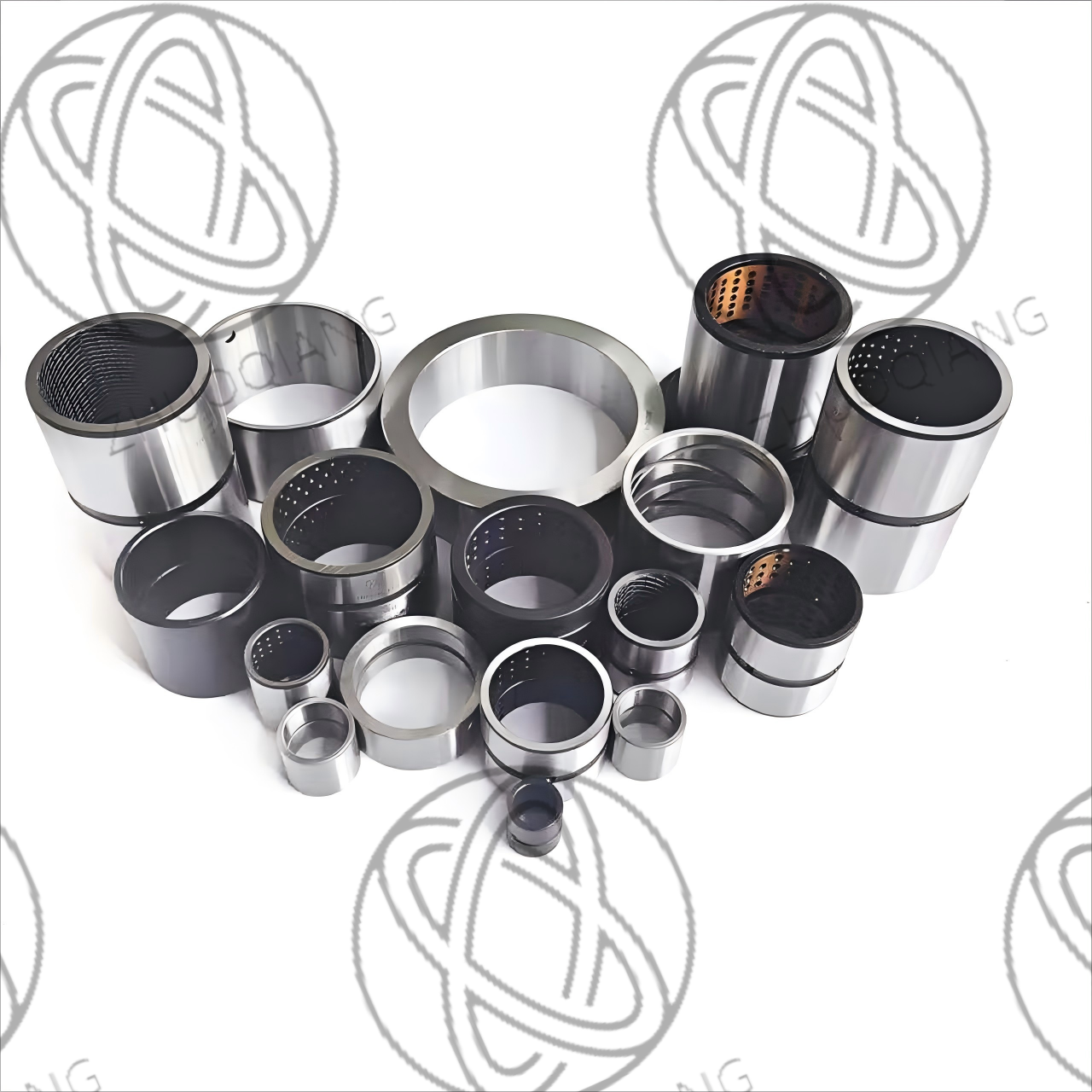
Premium construction machinery bushings act as critical sacrificial wear points. They protect far more expensive adjoining components. These include heavy pins, booms, and complex linkages. A failed pivot point can destroy an entire boom arm. This catastrophic damage halts production immediately.
We present a transparent evaluation of long-term component value. You will discover why investing in premium parts prevents unplanned downtime. We explain how high-grade materials secure your capital equipment. You will learn actionable strategies to evaluate suppliers and improve maintenance routines. This guide empowers you to shift from unit-cost purchasing to a highly profitable, uptime-focused procurement strategy.
High-quality bushings drastically reduce the hidden costs of unplanned downtime by extending predictable replacement cycles.
Precise manufacturing tolerances in premium parts prevent accelerated wear on expensive adjoining components like pins and linkages.
Evaluating OEM bushings versus cheap aftermarket alternatives requires looking beyond unit price to factor in material hardness, heat treatment, and lifespan.
Proper installation and strict adherence to lubrication schedules are mandatory; even top-tier bushings will fail if misaligned or starved of grease.
Low-grade materials present massive operational risks to your entire fleet. We are not just talking about isolated part breakage. Cheap materials cause systemic failures across the entire mechanical linkage. Substandard metals deform rapidly under load. This deformation destroys the geometry of your equipment joints.
Rapid degradation creates immediate "slop" in the joint. This looseness causes severe impact damage during heavy lifting. The machine jolts violently during load transitions. Pin galling occurs next. The softer metal transfers onto the hardened pin. Friction increases exponentially. Eventually, the machine suffers severe structural fatigue. A simple worn part forces you to replace the entire bucket or stick.
A failed component costs far more than its sticker price. You must calculate the true financial impact objectively. You pay the replacement part price. You add expensive mechanic labor rates. You suffer lost project productivity during the repair window. You might even incur hefty machine rental fees. You need these rentals to keep your project on schedule. High-quality heavy equipment bushings prevent these escalating costs.
Loose linkages heavily compromise your load stability. They jeopardize operator safety constantly. Unstable loads swing unpredictably during hoist operations. This unpredictability increases your liability on any active job site. Site inspectors often flag machinery displaying excessive joint play. They will ground your equipment until you complete necessary repairs.
Top-tier components deliver measurable improvements to your daily operations. They transform erratic repair cycles into predictable maintenance events. You gain structural reliability under the harshest conditions imaginable.
High-grade materials stabilize your preventative maintenance schedules entirely. Manufacturers utilize induction-hardened steel and specialized bronze alloys. These premium materials resist premature wear remarkably well. You can dramatically improve overall maintenance and longevity by choosing these resilient metals. You eliminate emergency field repairs. Your technicians work in controlled shop environments instead of muddy trenches.
Premium metallurgy absorbs high-impact loads effortlessly. Equipment faces continuous oscillation and sudden shock loads daily. High-grade components handle these extreme forces without physical deformation. The dense molecular structure of premium steel prevents crushing. It distributes the dynamic weight evenly across the entire surface area.
Tight-tolerance components maintain perfect structural rigidity. They ensure your hydraulic power translates directly into actual breakout force. Cheap parts waste this valuable energy through excessive joint play. Your engine burns more fuel to achieve the same digging results. Precision joints keep your cycle times fast and highly profitable.
Document all replacement cycles based strictly on operating hours.
Measure joint play monthly using digital calipers.
Track fuel consumption variations on machines showing linkage wear.
You must evaluate parts based on precise engineering metrics. Visual inspections cannot reveal metallurgical weaknesses. You need a structured framework to compare factory-original options against third-party alternatives.
Compare the specific metallurgical requirements objectively. Look closely at carbon content, case depth, and core toughness. Verified OEM bushings undergo rigorous destructive testing. They require specific alloys like 40Cr or 45# steel. Unverified aftermarket options often use low-carbon scrap steel. They fail basic tensile strength tests easily.
Heat treatment defines the true lifespan of your component. Superficial hardening wears away incredibly quickly. Manufacturers just dip the part to harden the outer skin. Advanced induction hardening behaves differently. It balances a highly wear-resistant surface with a highly ductile core. The hard surface prevents abrasion. The ductile core prevents shattering under heavy impacts.
We must compare the long-term operational value directly. Paying a 30% premium upfront for quality often yields massive returns. You frequently see a 200% increase in total operational hours. Cheaper parts demand constant replacement. Premium parts stay in the machine longer. You spend less money over a five-year equipment lifespan.
Component Value Comparison Chart | ||
Feature evaluated | Premium / OEM Standard | Cheap Aftermarket |
|---|---|---|
Material Composition | High-carbon alloys (40Cr), certified. | Low-grade mild steel, unverified. |
Heat Treatment | Induction hardened, deep case depth. | Superficial flash hardening only. |
Machining Tolerance | Exact OEM specifications. | Inconsistent, often undersized. |
Operational Lifespan | 4,000 to 6,000+ hours. | Often fails under 1,500 hours. |
Excavators operate in incredibly hostile conditions. They face abrasive soils, heavy lifting, and constant vibration. You need components engineered specifically for these brutal realities.
Quality sealing and high surface hardness block dangerous abrasives. Silica, rock dust, and mud constantly attack bucket joints. These elements mix with grease to form a destructive lapping compound. Superior excavator bushing benefits become obvious in these conditions. A surface hardness of HRC 58-62 resists this abrasive paste effectively. Standard parts simply grind away into metal shavings.
Excavator booms and sticks endure severe oscillating stress. The metal moves back and forth thousands of times daily. High-grade components feature specialized cross-hatched grooving. These internal figure-eight grooves improve grease retention massively. They keep the lubricant exactly where the metal experiences extreme pressure.
Tight joints enhance overall bucket control significantly. The operator holds a precise grade effortlessly. They avoid accidental over-digging on sensitive utility trenches. Loose linkages make precision work impossible. The operator must constantly overcompensate for bucket wobble. Tight tolerances save fuel, operator fatigue, and project time.
Ignoring worn bucket pins until the bucket wobbles uncontrollably.
Pumping fresh grease over dry, caked mud without cleaning the zerk fittings first.
Using the wrong grease viscosity for cold weather operations.
Buying premium parts solves only half the problem. You must install them correctly and maintain them religiously. Poor mechanical practices will destroy the finest engineering instantly.
Do not assume a new part fixes a damaged bore. The surrounding housing often stretches out of shape over time. You must measure the bore accurately first. If the housing is already out of spec, you need professional line boring. Pressing a perfect cylinder into an oval hole guarantees immediate component failure.
Improper press-fitting destroys parts instantly. Mechanics sometimes use sledgehammers instead of hydraulic presses. This brutal approach cracks the hardened metal case. Thermal shocking carries similar risks. Mechanics use liquid nitrogen to shrink parts for easy insertion. If they drop the frozen part, the micro-structure shatters. Bore scoring during extraction also creates permanent weak points. You must extract old parts carefully to protect the housing.
Premium materials still demand highly disciplined greasing schedules. You cannot ignore daily lubrication. Self-lubricating or composite options exist for specific applications. However, heavy bucket linkages usually require traditional greased steel. Composites work well for low-impact pivot points. Heavy excavators ripping through bedrock demand grease and hardened steel.
Procurement teams must ask better questions when ordering stock. You need a reliable strategy to vet suppliers and match materials to machine tasks.
Match the specific material to your machine's daily environment. Consider the typical load profile carefully. Heavy rock quarries demand thick, induction-hardened steel. Light landscaping machines might perform perfectly well with standard bronze variants. Understand your duty cycle before you place large fleet orders.
Evaluate your vendors strictly. Ask for verifiable material traceability reports. Review their warranty terms regarding premature failure. Determine the availability of their technical support teams. A good supplier helps you troubleshoot recurring failures on specific machines. Avoid vendors who refuse to disclose their manufacturing origins.
Standardize your fleet wear-part procurement today. Stop buying random brands based on weekly sales. Initiate a trial on your high-failure-rate machines. Install premium parts on one side of the loader and standard parts on the other. Benchmark the performance gains over three to six months. The data will prove the value of quality engineering.
Material Selection Guide | ||
Material Type | Best Use Case | Known Limitations |
|---|---|---|
Induction Hardened Steel | High impact, heavy excavation, bucket linkages. | Requires strict daily greasing to prevent rust and galling. |
Cast Bronze Alloys | Medium loads, environments with high moisture. | Deforms under severe shock loads compared to steel. |
Composite / PTFE | Low impact, hard-to-reach pivot points. | Cannot survive abrasive particle ingress or rock impacts. |
We must recognize a fundamental mechanical truth. These components are not basic, disposable commodities. They serve as highly engineered safeguards for your major capital investments. A minor upfront saving easily causes catastrophic downstream failures.
We encourage a permanent strategic shift in your operations. Move aggressively from unit-cost purchasing to uptime-focused procurement. You secure better project margins when your machines stay active. Broken equipment sitting in the dirt earns zero revenue.
Audit your current wear-part failure rates today. Review your repair logs from the past twelve months. Identify which machines cost you the most in labor and lost time. Consult a wear-part specialist immediately to develop a tailored component upgrade strategy.
A: Replacement depends entirely on operating hours, duty cycle severity, and maintenance adherence. We never rely on a fixed calendar date. Visual and operational indicators matter most. You should schedule replacements when you detect excessive joint play, visible pin galling, or abnormal clunking noises during load transitions.
A: Yes, you can use high-tier aftermarket options successfully. They can easily rival factory originals. They must meet exact metallurgical and tolerance specifications first. However, we strongly warn against purchasing unbranded, uncertified imports. These cheap options lack proper heat treatment and will fail prematurely.
A: Several primary culprits destroy these components quickly. Lack of daily lubrication creates immense friction. The ingress of abrasives like silica grinds away the metal. Constant overloading shatters the hardened case. Finally, installing a new part into a damaged or out-of-round bore guarantees rapid failure.
A: They offer specific trade-offs. They certainly reduce daily maintenance burdens. However, they are typically better suited for lower-impact or specific secondary pivot points. High-impact bucket linkages and primary boom joints generally still require traditional greased steel to survive massive shock loads.