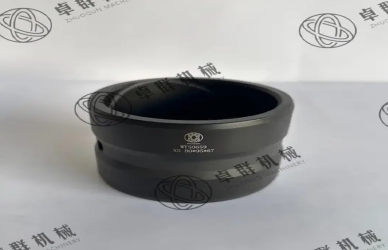
Bucket bushings are essential components in heavy machinery, acting as the interface between the bucket and the machine’s attachment points. They reduce friction, support heavy loads, and ensure smooth operation during tasks such as digging, lifting, and moving materials. While standard bushings are suitable for most machinery, custom bucket bushings may be necessary for specific applications. This is particularly true for unique machinery models, outdated equipment, or heavy-duty applications where standard bushings might not provide the necessary performance or durability. Custom bushings are tailored to meet exact specifications, including size, material, and design, ensuring a perfect fit and optimal performance in demanding environments. Whether for specialized machinery, extreme load-bearing conditions, or specific operational needs, custom bucket bushings offer a solution that enhances the efficiency and lifespan of the equipment.
When Are Custom Bucket Bushings Required?
Custom bucket bushings become essential in several scenarios where standard bushings do not meet the specific needs of the machinery or operating conditions. Here are the key situations where custom bushings are necessary:
1. Outdated or Specialized Equipment
Older machines or equipment with non-standard attachment points may require custom bucket bushings. As machinery ages, manufacturers often stop producing parts for specific models, making it difficult to find standard replacements. Custom bushings are designed to fit these outdated models precisely, ensuring continued efficient operation. Additionally, for specialized machinery used in niche industries, standard bushings may not align with the specific design of the attachment points, making custom bushings the best solution.
2. Heavy-Duty Applications
In heavy-duty applications, standard bushings might not be able to withstand the extreme loads or harsh environments. Machines used for digging in rocky soil, lifting heavy materials, or operating in extreme temperatures or high-impact conditions require bushings made from stronger, more durable materials. Custom bushings can be designed with enhanced wear resistance, increased load-bearing capacity, and better environmental resistance to ensure long-lasting performance in demanding situations.
3. Unique Design Needs
Some operations require custom sizing or specific material choices that standard bushings simply cannot provide. For example, a machine used in a wet or corrosive environment may require bushings made from corrosion-resistant materials such as bronze or polymer composites. Likewise, certain machinery may require non-standard bushing sizes to fit unique attachment points, ensuring optimal fit and performance. Custom bushings allow for greater flexibility in design, meeting the specific demands of the operation and improving overall machine efficiency.
Benefits of Custom-Made Bucket Bushings
Opting for custom-made bucket bushings offers several significant advantages over standard bushings, especially for machinery with unique needs or demanding operating conditions. Here are the key benefits:
1. Perfect Fit
Custom bucket bushings are specifically designed to meet the exact dimensions and requirements of your machinery. Unlike standard bushings that may not fit perfectly, custom bushings ensure that the attachment points and operating parts align precisely. This tailored fit prevents misalignment, reduces the risk of excess wear, and ensures that the bushing performs as intended. Whether for outdated equipment or specialized machines, custom bushings offer a seamless integration that optimizes equipment performance.
2. Improved Performance
Custom-made bushings are designed to withstand specific loads and environmental conditions. If your machinery operates in harsh environments such as rocky terrain, high temperatures, or corrosive conditions, custom bushings can be crafted from materials that offer enhanced wear resistance, corrosion resistance, and high-load-bearing capacity. This results in better operational efficiency and fewer breakdowns, allowing the equipment to perform at its peak, even in extreme conditions.
3. Increased Lifespan
The durability of custom bushings is significantly greater due to their ability to meet the precise needs of the machine and the operating environment. Custom bushings can be made from materials that offer longer-lasting wear resistance and are less prone to damage from friction, moisture, or extreme temperatures. By reducing wear and tear over time, custom bushings contribute to a longer service life for the machinery, ultimately reducing the need for frequent replacements and minimizing maintenance costs.
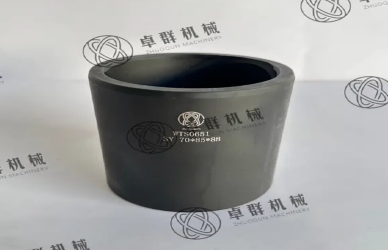
How Custom Bucket Bushings Are Made
Custom bucket bushings are designed and manufactured to meet the specific needs of a machine, ensuring optimal performance, durability, and longevity. The process of creating custom bushings involves careful planning, precise measurements, and material selection tailored to the unique conditions in which the machinery operates. Here’s an overview of the steps involved in making custom bucket bushings:
1. Measurements and Specifications
The first step in creating a custom bucket bushing is accurately measuring the machine and determining the specific requirements. This typically involves:
Identifying Attachment Points: The bushing must fit precisely in the spaces between the bucket and the machinery’s attachment points. Manufacturers measure the inner and outer diameters, length, and thickness of the bushing and the pin or axle it will fit over.
Assessing Load and Stress: The load-bearing capacity and the stress the bushing will experience are critical in determining the size and design. Machines subjected to higher loads require bushings with greater durability.
Consulting Machine Specifications: Manufacturers refer to the machine’s manual or blueprints to understand the operational conditions, such as the types of tasks the machine performs and the environment in which it operates.
2. Material Selection
Choosing the correct material is one of the most important factors in the design of custom bucket bushings. The right material ensures the bushing can withstand the specific load requirements, environmental conditions, and operating stresses. Materials are selected based on:
Load Capacity: For heavy-duty machines, materials like steel or bronze are often used due to their high strength and load-bearing capacity.
Environmental Resistance: Machines operating in corrosive or wet environments might require polymer composites or bronze bushings, which are corrosion-resistant.
Friction and Wear Resistance: Bushings used in high-friction applications, such as digging in rocky terrain, may require ceramic or self-lubricating materials that reduce wear over time.
Temperature Tolerance: In high-temperature conditions, materials like ceramic or specially treated steel are chosen to withstand heat without losing performance.
3. Manufacturing Process
Once the specifications and material are determined, the manufacturing process begins. This includes several key stages:
Cutting and Shaping: The raw material is cut to the required size and then shaped into the appropriate form, whether through machining, casting, or forging. This stage involves precise measurements to ensure the bushing fits perfectly in the machinery.
Heat Treatment: For materials like steel, the bushing may undergo a heat treatment process to enhance its strength, hardness, and resistance to wear.
Finishing: After shaping and heat treatment, the bushing undergoes finishing processes, such as grinding or polishing, to ensure smooth surfaces and proper alignment.
Testing: Custom bushings are often subjected to quality control tests to verify that they meet the specifications and performance standards required. This may include load tests, friction tests, or durability assessments, depending on the application.
Lubrication and Coating: Some bushings are coated with anti-corrosion or lubricating coatings to reduce friction and protect against the elements.
Considerations Before Ordering Custom Bucket Bushings
Before opting for custom bucket bushings, there are several key factors to consider:
1. Cost
Custom bucket bushings tend to be more expensive than standard parts. This is due to the specialized design, materials, and manufacturing processes. While the initial cost may be higher, custom bushings can lead to long-term savings by improving machinery performance, reducing maintenance, and extending equipment life.
2. Lead Time
Custom orders typically require more time to manufacture and deliver than off-the-shelf bushings. The lead time can range from several weeks, depending on the complexity and the manufacturer’s production capacity. It’s important to plan ahead to avoid delays and potential downtime.
3. Compatibility
Ensuring that the custom bushing is compatible with your machinery is crucial. It must match the machine’s specific measurements, load-bearing capacity, and environmental conditions. Providing accurate details to the manufacturer will help ensure a perfect fit and reliable performance.
FAQ: Custom Bucket Bushings
1. What types of machinery require custom-made bucket bushings?
Custom bushings are needed for outdated machines, specialized equipment, or heavy-duty applications where standard bushings don’t fit or meet performance requirements.
2. How much more expensive are custom bucket bushings compared to standard ones?
Custom bucket bushings are typically 2-3 times more expensive than standard ones, due to the specialized design and materials, though they offer long-term performance benefits.
3. How long does it take to manufacture a custom bucket bushing?
Custom bushings usually take several weeks to a few months to manufacture, depending on the design complexity and the manufacturer’s lead time.
4. Can I modify an existing bucket bushing for a better fit?
Minor adjustments can sometimes be made to existing bushings, but for significant size or material differences, it's better to order custom-made bushings designed specifically for your equipment.
Conclusion
Custom bucket bushings offer significant advantages when it comes to ensuring optimal performance for specific machinery. By providing a perfect fit, improving load-bearing capacity, and enhancing wear resistance, custom bushings are tailored to meet the unique needs of older equipment, specialized machinery, or heavy-duty applications. They ensure that the machinery operates efficiently, reduces downtime, and extends the equipment’s lifespan. For specialized applications or extreme conditions, such as high-impact operations or corrosive environments, custom bushings are often the best solution to maintain reliability and reduce long-term maintenance costs. Ultimately, considering custom solutions for your equipment allows for better performance, improved durability, and greater cost-effectiveness, making them an essential investment for machinery in demanding conditions.


