
+86-17692703999
+86-17692703999 No. 6, West Side Auxiliary Road,
Sunshine Street, Linxi County, Xingtai
City, Hebei Province
Sunshine Street, Linxi County, Xingtai
City, Hebei Province

Views: 0 Author: Site Editor Publish Time: 2026-01-16 Origin: Site
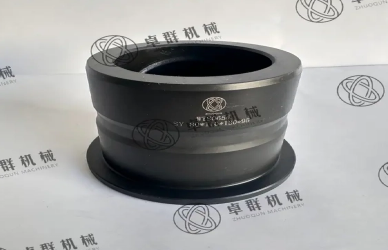
Bucket bushings play a crucial role in the smooth operation of heavy machinery, particularly in equipment such as excavators, backhoes, and bulldozers. These bushings act as a buffer between moving parts, reducing friction and wear, and ensuring that the bucket attaches securely to the machinery. Over time, however, bucket bushings can wear out due to constant pressure, friction, and exposure to harsh operating conditions. Ignoring worn-out bushings can lead to a host of problems, including poor machine performance, increased vibrations, and difficulty in controlling the bucket. Additionally, a damaged bushing can cause accelerated wear on other vital components, leading to costly repairs and extended downtime. Replacing worn-out bushings promptly is essential to maintain optimal equipment efficiency, prevent further damage, and extend the lifespan of the machinery.
Bucket bushings are vital for the smooth functioning of heavy machinery, and recognizing the signs of wear is key to preventing further damage. Here are some common indicators that your bucket bushing may need replacement:
One of the first signs that a bucket bushing is worn out is the presence of unusual noises, such as squeaking, grinding, or knocking sounds during operation. These noises occur when the bushing has lost its ability to properly cushion the movement between the bucket and the machinery, leading to increased friction and metal-on-metal contact. If you hear these sounds, it’s a strong indication that the bushing is no longer functioning effectively.
Another clear sign that the bucket bushing needs replacement is visible wear or damage. This could include cracks, chips, or excessive wear on the surface of the bushing. You may also notice that the bucket attachment has more play than usual or is moving loosely. This can affect the performance of the equipment and could lead to more serious damage to other components if not addressed promptly.
Worn-out bucket bushings can lead to decreased performance and handling issues with the machinery. You may notice a decrease in the machine's responsiveness or an increase in vibration during operation. These issues occur because the bushing is no longer able to properly absorb shock or friction, causing the equipment to operate less smoothly. This not only affects the efficiency of the machine but can also lead to operator discomfort and further mechanical issues.
Replacing a worn-out bucket bushing requires a few essential tools and materials to ensure a smooth and successful installation. Below is a list of the basic tools and materials needed for this task:
Wrenches: You’ll need a variety of wrenches to remove bolts or fasteners securing the bucket to the machinery. Adjustable wrenches or socket wrenches are often required to fit different sizes of bolts.
Hammers: A rubber or sledgehammer is useful for gently tapping the bushing out of place if it’s stuck or difficult to remove. Be sure to use a rubber hammer to avoid damaging the surrounding components.
Pry Bars: These are used to help pry the old bushing out of its housing if it’s tightly stuck. A sturdy pry bar or crowbar will give you the leverage needed for this task.
Impact Wrench or Power Tools: For heavy-duty machines, an impact wrench may be necessary to quickly remove bolts or other fasteners, saving time and effort.
Replacement Bucket Bushing: The most important part of the process is the new bucket bushing itself. Be sure to choose the correct material and size based on the specific machinery and operating conditions. Common materials include steel, bronze, polymer composites, or ceramics, depending on your machinery’s needs.
New Bolts, Pins, or Fasteners: In some cases, the bolts or pins holding the bushing in place may need to be replaced. Having the proper replacement fasteners on hand ensures that the reassembly process goes smoothly.
Lubricants: Before installing the new bushing, apply the appropriate lubricant to reduce friction during operation and ensure smooth movement. Lubricants like grease or oil are commonly used, especially for bushings made from materials like bronze or steel. This will help extend the life of the bushing and prevent premature wear.
Sealants: Depending on the type of machinery and bushing, you may need to apply a sealant around the bushing area to protect it from contaminants like dirt or water. A good-quality sealant will help maintain the integrity of the bushing and surrounding components, improving performance and preventing corrosion.
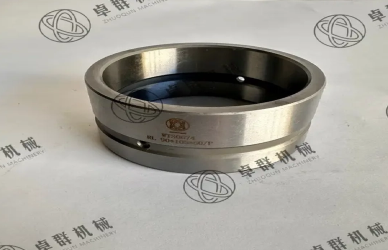
Replacing a worn-out bucket bushing is a straightforward process that can significantly improve the performance and lifespan of your machinery. Below is a detailed step-by-step guide to help you replace a bucket bushing efficiently:
Before beginning any maintenance work, it’s essential to ensure the machinery is powered off and safely secured. Turn off the engine and lock the equipment in place to prevent any accidental movement during the replacement process. This will ensure both your safety and the stability of the machine while you work.
Next, identify the worn-out bucket bushing. Inspect the bushing area carefully to check for signs of wear, cracks, or damage. Ensure that you are replacing the correct bushing and take note of the overall condition of the surrounding components. This inspection will help you determine if any other parts, such as pins or bolts, need replacement or attention.
Using the correct tools, begin removing the damaged bushing. You may need to use wrenches or impact tools to remove any fasteners or bolts securing the bushing in place. A rubber hammer or pry bar can help you loosen a stuck bushing. Be gentle when tapping or prying to avoid damaging the surrounding components or the housing that holds the bushing.
Once the old bushing is removed, clean the area thoroughly. Use a clean cloth and, if necessary, a wire brush to remove any dirt, debris, or rust from the bushing area. A clean surface is critical to ensure that the new bushing fits properly and works efficiently without any interference from contaminants.
Now, it’s time to install the new bucket bushing. Align the new bushing with the housing and ensure it fits snugly into place. Make sure the bushing is positioned correctly and that it is properly seated. Improper installation can lead to misalignment, causing premature wear or failure of the new bushing.
Before reassembling the parts, apply the appropriate lubricant to the new bushing. This will reduce friction, help prevent wear, and ensure smooth movement between the bushing and the attached components. Choose the right lubricant, such as grease or oil, depending on the type of bushing and operating conditions.
Once the bushing is installed and lubricated, reassemble all the components, such as pins, bolts, and fasteners, to secure the bucket in place. Ensure everything is tightly fastened and aligned correctly. After reassembly, test the equipment by running it briefly to check for smooth operation and to verify that the new bushing functions as expected. Listen for any unusual sounds or vibrations that may indicate a problem with the installation.
Bucket bushings should be replaced when they show signs of wear, such as unusual noise, visible damage, or decreased performance. Typically, this occurs every 1,000–2,000 operating hours, but it depends on the machinery usage and conditions.
If the bushing is stuck, use a pry bar or rust penetrant to loosen it. Applying heat carefully can also help, but be cautious not to damage surrounding parts. If the bushing remains stuck, consider seeking professional assistance.
Yes, you can replace a bucket bushing yourself with the right tools and knowledge. However, if you’re unsure about the process or don’t have the proper equipment, it's a good idea to consult a professional to avoid mistakes or damage.
Choosing the right bushing depends on factors like the machinery's load capacity, operating environment (e.g., high temperature, moisture), and required durability. Always refer to the equipment’s manual or consult with the manufacturer for the correct specifications.
Timely replacement of worn-out bucket bushings is essential for maintaining optimal equipment performance. Ignoring or delaying bushing replacement can lead to increased friction, noise, and damage to surrounding components, ultimately compromising the efficiency of the entire machinery. By replacing worn bushings promptly, you ensure that the bucket moves smoothly, reducing the risk of unnecessary wear and tear on other parts. Regular bushing replacement not only extends the lifespan of your machinery but also helps reduce downtime caused by unexpected breakdowns, keeping your equipment running at peak performance. Ultimately, proactive bushing maintenance leads to more reliable operations, fewer repairs, and a better return on investment, making it a key part of effective equipment management.


