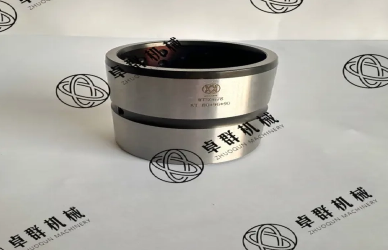
Bucket bushings are crucial components in heavy machinery, providing support and reducing friction between the bucket and the machinery’s attachment points. These bushings play a vital role in ensuring smooth operation, improving efficiency, and extending the lifespan of your equipment. However, like any mechanical part, bucket bushings are subject to wear and tear over time. The lifespan of a bucket bushing depends on various factors, including the material used, load conditions, environmental factors, and maintenance practices. Understanding these factors is essential for maximizing the longevity of the bushings and minimizing downtime, ultimately leading to cost savings and better performance. Regular monitoring, maintenance, and timely replacement of worn-out bushings can help maintain the efficiency and reliability of your machinery for years to come.
Factors Affecting the Lifespan of Bucket Bushings
The lifespan of bucket bushings plays a significant role in the efficiency and longevity of heavy machinery. Several factors contribute to how long a bushing will last, including the material it is made from, the operating conditions it faces, and how well it is maintained. Understanding these factors can help ensure that bushings remain in optimal condition for longer, reducing the need for frequent replacements and minimizing downtime.
1. Material Quality
The material from which a bucket bushing is made directly affects its durability and overall performance. Different materials offer varying levels of wear resistance, load-bearing capacity, and corrosion resistance:
Steel is highly durable and suitable for heavy-duty applications, but may be susceptible to corrosion in certain environments.
Bronze offers excellent wear resistance and self-lubricating properties, making it ideal for high-friction environments.
Polymer Composites are lighter and more resistant to corrosion, but they are generally best for lighter applications or environments with high moisture.
Ceramic Bushings can withstand extreme temperatures and high wear but are often used in specialized conditions.
Choosing the right material for your bushing based on the machine's needs and the conditions it operates in is essential for maximizing its lifespan.
2. Load and Stress
Bucket bushings are subjected to significant pressure and weight during operation. The amount of load and stress a bushing is exposed to affects its durability. High-load conditions, such as lifting or digging heavy materials, cause more wear on the bushing. Overloading the machinery or exceeding the bushing's capacity can lead to faster degradation and premature failure.
3. Environmental Conditions
Bucket bushings are exposed to various environmental conditions that can significantly shorten their lifespan:
Dirt and debris can enter the bushing area, causing friction and wear.
Moisture or rain can lead to rust and corrosion, especially in metal bushings like steel or bronze.
Extreme temperatures can cause materials to expand or contract, leading to stress on the bushing.
Corrosive substances such as saltwater, chemicals, or acids can accelerate material degradation, especially for bushings not designed to withstand such conditions.
4. Maintenance Practices
Regular lubrication and maintenance are crucial for extending the lifespan of bucket bushings. Proper lubrication helps reduce friction, wear, and heat buildup between moving parts. Regular inspections allow for early detection of wear, misalignment, or damage, enabling timely repairs or replacements before significant issues arise. Neglecting maintenance can lead to the buildup of dirt, rust, or excessive wear, significantly reducing bushing life.
5. Installation Quality
The installation quality of bucket bushings plays a vital role in their longevity. Ensuring that the bushing is correctly installed and properly sized for the machinery is essential for preventing unnecessary stress on the components. Incorrect installation, such as using the wrong size or failing to properly align the bushing, can lead to rapid wear, misalignment, and other mechanical issues.
6. Operating Conditions
The operating conditions under which the machinery is used also influence bushing lifespan. High-impact operations, such as digging in rocky soil, can cause more rapid wear on bushings, especially if the material is softer or not designed for such harsh conditions. Frequent heavy-duty use, such as continuous lifting or repeated high-force operations, can also accelerate bushing degradation.
Table: Comparison of Material Lifespan and Performance
The material of a bucket bushing significantly affects its lifespan, performance, and suitability for different operating conditions. Below is a comparison of common materials used in bucket bushings:
Material |
Lifespan |
Performance |
Ideal Conditions |
Steel |
Long-lasting |
High load-bearing capacity, durable |
Heavy-duty, high-impact applications |
Bronze |
Moderate |
Excellent wear resistance, self-lubricating |
Moderate load and friction environments |
Polymer Composites |
Moderate to Short |
Low friction, corrosion-resistant |
Lighter-duty or wet environments |
Ceramic |
Very Long |
Extreme wear and heat resistance |
Harsh, high-temperature conditions |
This table provides a clear overview of the material lifespan, performance, and ideal conditions for different bucket bushing materials, helping you choose the right option based on your equipment needs.
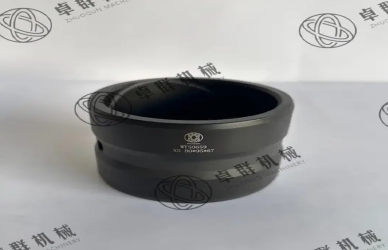
How to Extend the Lifespan of Bucket Bushings
To ensure the longevity and optimal performance of bucket bushings, regular maintenance and proactive care are essential. Here are several key practices that can help extend the lifespan of bucket bushings and keep your machinery running smoothly:
1. Regular Inspection and Replacement of Worn-Out Bushings
Routine inspections are crucial for identifying early signs of wear and tear on bucket bushings. Regularly check for signs such as:
Excessive play or movement in the bucket attachment.
Cracks, chips, or visible damage to the bushing.
Increased friction or noise during operation.
By addressing any issues early on and replacing worn-out bushings promptly, you can prevent further damage to your machinery and avoid costly repairs. Regular inspections allow you to detect issues before they become major problems, thus extending the lifespan of both the bushings and surrounding components.
2. Use of High-Quality Lubricants and Sealants
Lubrication is one of the most effective ways to reduce friction and wear on bucket bushings. Using high-quality lubricants ensures smoother movement between the bushing and pin, lowering the risk of premature wear. Additionally, sealants can help protect the bushing from dirt, moisture, and corrosive substances that can accelerate damage. Make sure to use the recommended lubricants for your specific equipment, as different machinery and bushing materials may require different types of grease or oil.
3. Avoidance of Overloading Machinery and Harsh Operational Conditions
Overloading machinery places excessive stress on the bushings, accelerating wear and reducing their lifespan. Always operate equipment within the manufacturer’s specified load limits to avoid overburdening the bushing. In addition, avoid subjecting the machinery to harsh operational conditions, such as:
Digging in rocky or abrasive soil, which can cause excessive friction.
High-impact activities, which lead to increased stress on the bushing.
By operating your machinery in appropriate conditions and avoiding overuse, you can significantly reduce the strain on the bushings, promoting a longer lifespan.
FAQ: Bucket Bushings
1. How does load affect the lifespan of a bucket bushing?
The load placed on a bucket bushing directly influences its lifespan. Bushings that are exposed to higher loads experience more friction and stress, which accelerates wear. Overloading the machinery can lead to premature failure of the bushing, causing increased maintenance costs and potential damage to other parts. To maximize lifespan, always adhere to the manufacturer's recommended load limits for your machinery.
2. What are the signs that a bucket bushing needs replacing?
Common signs that a bucket bushing needs replacement include:
Excessive play or movement in the bucket attachment.
Unusual noise such as squeaking or grinding during operation.
Visible cracks, chips, or significant wear on the bushing.
Increased vibration or decreased performance of the machinery.
If you notice any of these signs, it's important to inspect and replace the bushing to avoid further damage.
3. How often should I inspect my bucket bushings?
The frequency of inspections depends on the machine’s usage and operating conditions. However, as a general guideline:
Heavy-duty machinery should be inspected every 250-500 hours of operation.
Lighter equipment or machinery in less demanding conditions can be inspected every 1,000 hours.
Regular inspections are vital for detecting wear early and preventing unexpected failures.
4. Can using the wrong bushing material shorten its lifespan?
Yes, using the wrong bushing material can significantly shorten its lifespan. Each material, whether steel, bronze, or polymer composites, has specific strengths and limitations. If a bushing is made from a material not suited for the operating conditions or load requirements, it will wear out faster, leading to more frequent replacements and potentially damaging other parts of the machinery.
Conclusion
Understanding the factors that affect the lifespan of bucket bushings is crucial for ensuring the long-term performance and reliability of heavy machinery. Key factors such as material quality, load and stress, environmental conditions, maintenance practices, and installation quality all play a significant role in determining how long the bushings will last. By staying vigilant and addressing these factors proactively, you can prevent premature wear and costly repairs.
Proactive maintenance, such as regular inspections, proper lubrication, and timely replacement of worn-out bushings, is essential for extending the lifespan of your equipment. Additionally, choosing the right bushing material for your specific operating conditions—whether steel, bronze, polymer composites, or ceramic—ensures optimal performance and durability.
Ultimately, a combination of thoughtful material selection and regular care will help you reduce operational costs, minimize downtime, and extend the lifespan of your machinery. By taking these steps, you maximize the value of your investment in equipment and ensure smoother, more efficient operations for years to come.


