
+86-17692703999
+86-17692703999 No. 6, West Side Auxiliary Road,
Sunshine Street, Linxi County, Xingtai
City, Hebei Province
Sunshine Street, Linxi County, Xingtai
City, Hebei Province

Views: 0 Author: Site Editor Publish Time: 2025-12-19 Origin: Site

Linkage pins play a crucial role in the functionality of machinery. These small components connect moving parts and ensure smooth, controlled movement. Without them, machinery would fail to operate efficiently, leading to costly repairs and downtime. In this article, we will explore the importance of linkage pins, how they work, and their different types and applications. You’ll learn why they are vital for equipment performance and how proper maintenance can prolong their lifespan.
A linkage pin is a mechanical fastener designed to connect moving parts, providing a pivot point for rotational movement. Typically made of high-strength materials, these pins are engineered to withstand heavy loads and harsh conditions. They come in various shapes and sizes, depending on the application, but they all serve the same primary function: to maintain smooth, controlled motion while preventing slippage or instability.
| Step | Action | Description |
|---|---|---|
| 1 | Linkage Pin Inserted into Joints | The linkage pin is placed into the joints of the machinery. |
| 2 | Connects Components | The pin connects moving parts, such as arms, blades, buckets, and gear systems. |
| 3 | Allows Controlled Relative Movement | The pin allows connected parts to move relative to each other in a controlled manner. |
| 4 | Pin Supports Rotation and Digging (Example: Excavator) | In an excavator, the linkage pin connects the bucket to the arm, enabling rotation and digging. |
| 5 | Pin Must Bear High Loads | The pin must be strong enough to handle the stresses and heavy-duty work involved in the task. |
| 6 | Pin Must Stay Aligned | The pin needs to maintain precise alignment between parts to ensure smooth movement. |
| 7 | Pin Prevents Wear and Tear | By staying aligned and bearing load properly, the pin prevents excessive wear and tear. |
| 8 | Prevents Equipment Failure | Properly functioning pins prevent failure of the entire system by maintaining stability and control. |
| 9 | Ensures Smooth and Precise Operation | With the pin functioning well, the machinery operates smoothly and efficiently, avoiding disruptions. |
Linkage pins are found in numerous applications:
Construction machinery: In excavators, dozers, and loaders, linkage pins connect the parts of the hydraulic systems, enabling smooth motion under high load.
Agricultural equipment: Tractors use linkage pins to connect implements like plows or cultivators to the machine's hitch system, allowing easy attachment and detachment.
Automotive systems: In vehicles, linkage pins are used in gear shifting systems to ensure smooth and accurate gear transitions.
In construction machinery like excavators and loaders, linkage pins are exposed to extreme stress and friction. They connect components such as the bucket to the boom arm or other working tools. Over time, these pins can wear down, causing instability in the machinery. High-quality linkage pins, like those made from heat-treated steel or coated with chromium, ensure that these critical components remain secure and functional.
Tractors use linkage pins as part of the 3-point hitch system, which connects farming implements to the vehicle. These pins allow for smooth attachment and detachment of equipment like plows, seeders, and mowers. The pins need to be durable and corrosion-resistant to handle the rigors of agricultural work. When properly maintained, these pins extend the lifespan of both the tractor and the attachments.
In vehicles, linkage pins play a key role in the shift linkage, which connects the gear shift lever to the transmission. These pins allow for precise gear shifts, ensuring the driver can easily change gears without issues. If the linkage pin fails or becomes worn, it may result in difficulty shifting gears or, in extreme cases, the inability to shift at all.
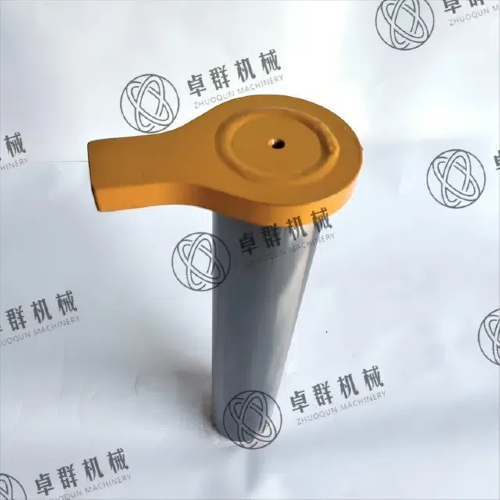
Linkage pins are typically made from high-strength alloy steel or carbon steel to handle the immense pressures and friction they endure. Many pins are coated with chromium to enhance wear resistance, reduce friction, and prevent galling. This coating helps the pin maintain its structural integrity over time, even in abrasive conditions.
High-quality linkage pins are designed to fit precisely into their corresponding parts, ensuring smooth motion without excessive play. This precision is crucial for maintaining operational accuracy. A well-maintained linkage pin allows for consistent performance, especially in applications that require high precision, such as grading or material handling in construction machinery.
Signs that a linkage pin may be worn include:
Looseness in the joint
Squeaking or rattling noises during operation
Inaccurate positioning of components, such as a bucket on an excavator
Regular lubrication and inspections are critical for extending the life of a linkage pin. Lubrication reduces friction and prevents premature wear. Checking for wear signs during routine equipment inspections helps identify when replacement is necessary before a failure occurs.
When selecting a linkage pin, it's essential to consider:
Material strength: Ensure the pin can handle the expected loads without breaking or deforming.
Wear resistance: Look for pins with coatings like chrome to reduce friction and prevent damage.
Size and fit: The pin must match the equipment’s specifications to ensure smooth operation.
| Pin Type | Description | Retention Method | Suitable Applications |
|---|---|---|---|
| Headed Pins | Pins with a head on one side that prevent them from slipping out of the joint. | The head on the pin prevents it from falling out. | Used where the pin needs to stay securely in place without additional components. |
| Straight Pins | Cylindrical pins that are typically used with external clips or bolts for retention. | External clips or bolts are required to hold the pin in place. | Suitable for situations where the pin needs to be removable or adjustable. |
| Collet Pins | Pins that use a collet system to secure the pin in place. | Collet system secures the pin by gripping it tightly. | Ideal for applications where precise fitting and secure locking are required. |
Many manufacturers provide comprehensive linkage pin kits that include not only the pins themselves but also essential components such as seals, bearings, and other hardware required for a complete repair. These kits are specifically designed to ensure that all parts fit together perfectly, minimizing the risk of improper installation. By using these complete kits, operators can restore the equipment's full functionality, improving performance and extending the lifespan of the machinery. This ensures minimal downtime and reduces the need for frequent replacements.
| Cause of Failure | Impact on Linkage Pin | Example or Data | Explanation |
|---|---|---|---|
| Excessive Wear | Gradual thinning or deformation of the pin due to high stress or friction. | Pins in heavy-duty applications, such as excavators, can lose up to 50% of their material after 2000 hours of operation. | High-stress conditions, such as constant movement or heavy load-bearing, cause the pin surface to wear down. This results in instability, reducing the pin's ability to function properly over time. |
| Lack of Lubrication | Increased friction leading to metal-on-metal contact, causing rapid wear. | Pins that are not lubricated can fail 30% faster compared to those with regular lubrication. | Insufficient lubrication accelerates friction between the pin and surrounding components, causing scoring, pitting, or other forms of surface damage. This leads to premature pin failure. |
| External Impacts | Physical damage such as bending, cracking, or dislodgement from position. | Pins in wheel loaders or excavators may suffer cracking or break after a single severe impact from rough terrain or improper handling. | External impacts from collisions with obstacles or rough handling put stress on the pin, causing immediate damage like cracks or bends. This can impair the pin's function and lead to system failure. |
Tip: Regular lubrication and careful handling can significantly extend the lifespan of your linkage pins.
Replacing worn or damaged linkage pins is essential to maintaining the overall performance and safety of the equipment. A faulty pin can compromise the stability of the entire system, leading to poor performance, increased wear on other components, and potential safety hazards. Timely replacement of these small but critical parts ensures that the machinery continues to operate smoothly and efficiently. By addressing worn linkage pins early, operators can avoid unexpected breakdowns, minimize the risk of damage to other parts, and reduce costly downtime, ultimately improving the equipment's longevity and productivity.
To check for linkage pin failures:
Inspect the pin and surrounding components for any signs of wear, such as visible grooves or loose joints.
Perform a function test to see if there is any play in the movement.
Regularly lubricate the pins to prevent excessive wear and tear.
Linkage pins are vital for the smooth operation of machinery, vehicles, and agricultural equipment. They connect moving parts, ensuring operational accuracy and stability. Regular maintenance, such as lubrication and inspections, is crucial for their effective performance. Choosing high-quality linkage pins enhances equipment longevity, reduces downtime, and prevents costly repairs. For reliable and durable linkage pins, Hebei Zhuoqun Machinery Parts Manufacturing Co., Ltd. offers products designed to improve performance and reduce maintenance costs.


