
+86-17692703999
+86-17692703999 No. 6, West Side Auxiliary Road,
Sunshine Street, Linxi County, Xingtai
City, Hebei Province
Sunshine Street, Linxi County, Xingtai
City, Hebei Province

Views: 0 Author: Site Editor Publish Time: 2025-12-22 Origin: Site
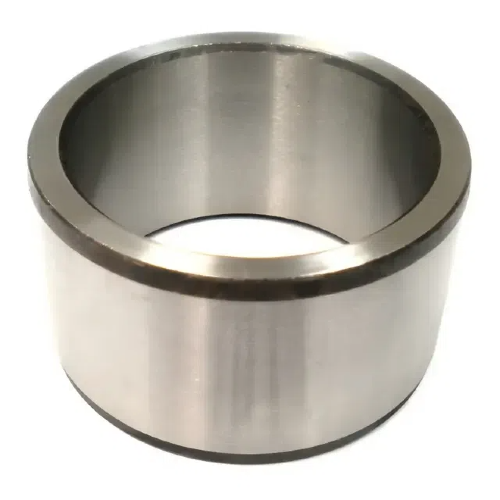
Pin bushingsare crucial components in machinery, ensuring smooth movement between parts. They reduce friction, wear, and mechanical play, extending equipment lifespan. Without pin bushings, expensive components may fail faster, leading to costly repairs. In this article, we will explore the importance of pin bushings in various industries. You will learn how they function, the materials used, and their role in reducing maintenance costs and improving performance.
A pin bushing is a hollow, cylindrical sleeve placed between a pin and its housing. This component functions as a sliding bearing, enabling smooth movement while minimizing friction between the pin and the housing. Pin bushings are designed to absorb the impact and friction that occur during the movement of machinery, thus protecting the primary components from wear and damage.
In a mechanical system, the pin rotates inside the bushing, reducing friction between the moving parts. This rotation not only helps reduce wear but also prevents damage to the pin and housing, which could otherwise occur through direct metal-to-metal contact. The bushing absorbs the stress and friction, leading to a prolonged lifespan for expensive machinery components.
Pin bushings offer several key features that enhance the performance and longevity of mechanical systems. These features include:
Friction Reduction: Pin bushings minimize resistance between the pin and housing, ensuring smoother operation.
Wear Absorption: The bushing wears out over time, safeguarding more critical components from excessive wear.
Lubrication Grooves: Many pin bushings feature grooves designed to hold grease, enabling self-lubrication of the pin and reducing maintenance efforts.
Pivoting Point: Pin bushings provide a stable and smooth pivot, especially in heavy machinery, facilitating efficient movement.
Standard pin bushings are commonly found in construction, automotive, and industrial machinery. These bushings are typically made from materials like steel or bronze, which provide a balance of wear resistance and cost-effectiveness. Standard pin bushings are versatile and used in a wide range of applications, from small engines to large construction equipment.
Heavy-duty machinery such as excavators, bulldozers, and cranes require specialized pin bushings designed to withstand extreme loads and pressures. These bushings are often made from hardened steel or high-strength alloys to ensure durability under tough conditions.
In engines, particularly for piston pins and connecting rods, pin bushings are critical for minimizing friction between moving parts. Automotive pin bushings are typically made from bronze or other self-lubricating materials to handle high temperatures and pressures.
Pin bushings also serve specialized applications, such as in archery and woodturning. In archery, aluminum pin bushings are used in arrow shafts to allow the attachment of pin nocks and protect the shaft from impacts. In woodturning, metal bushings are mounted on mandrels to indicate the correct diameter to which wood should be turned, ensuring a precise fit.
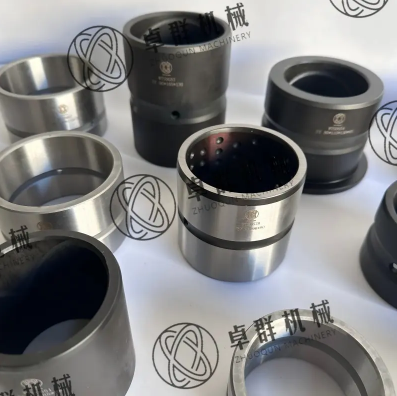
Pin bushings are used extensively in equipment like excavators, loaders, and cranes to facilitate smooth movement between parts like the bucket and arm. These bushings reduce wear and friction in high-stress environments, making it easier for machinery to perform complex tasks with ease.
In the automotive industry, pin bushings play a key role in engine components, particularly piston pins and connecting rods. These bushings ensure that the moving parts in the engine operate smoothly, reducing friction and preventing overheating. Pin bushings are essential for maintaining the engine’s longevity and performance.
The table below compares the role of pin bushings in different industrial machines, highlighting how they distribute load, ensure smooth movement, and contribute to efficiency. It also provides specific data on their performance improvements and benefits in various applications.
| Machine Type | Load Distribution Function | Ensuring Smooth Movement | Specific Data and Academic Analysis |
|---|---|---|---|
| Presses | - Pin bushings evenly distribute the pressure applied to each component, preventing localized overloads. - Reduce uneven friction between parts, improving processing precision. | - The combination of pins and bushings ensures smooth motion, reducing vibration and friction during operation. - This stability contributes to higher molding accuracy. | - The coefficient of friction for pin bushings in presses is as low as 0.03, reducing energy loss by 30%. - Proper pin bushing configuration increases production efficiency by 10%. |
| Conveyor Systems | - Pin bushings distribute the weight applied to each bearing point in conveyor belts or rollers, reducing impact loads. - Effectively alleviates wear during continuous operation, extending equipment life. | - Ensures smooth operation of conveyor belts, reducing downtime. - The self-lubricating function of pin bushings reduces friction between parts, allowing continuous material flow. | - Self-lubricating pin bushings increase service life by 50% under continuous operation. - Conveyor system efficiency increases by 15% after using pin bushings. |
| Other Heavy Equipment | - In heavy equipment like excavators and bulldozers, pin bushings distribute the stress generated by the machine's load, protecting high-load components from excessive wear. | - Ensures smooth movement of large parts (e.g., buckets, arms), improving machine response speed. - Reduces external impacts on the equipment structure, prolonging service life. | - Pin bushings distribute load evenly, reducing load concentration by 40% in excavators. - Failure rates in equipment decrease by 20% after optimizing pin bushings. |
Pin bushings are also used in specialized applications like mechanical couplings and woodturning. In mechanical couplings, pin bushings connect shafts and transmit power while absorbing vibration. In woodturning, they help maintain the correct diameter of wood being turned into products like pens.
Like any mechanical component, pin bushings are subject to wear over time. The friction they absorb leads to gradual degradation, which can eventually result in failure if not monitored. Regular inspections are vital to ensuring that the bushing remains effective in reducing friction and preventing damage to the surrounding components.
To maintain the efficiency and longevity of pin bushings, regular lubrication is essential. For bushings with internal lubrication grooves, grease can be injected to keep the pin moving smoothly inside the bushing. Additionally, "turning" the pin and bushing (rotating them to expose unworn surfaces) can help extend their service life by ensuring even wear distribution.
Replacing worn-out pin bushings is a straightforward process. Begin by cleaning the area around the bushing to ensure a smooth installation. Remove the old bushing with a hammer and chisel, and install a new one by gently tapping it into place with a copper or hide hammer. Replacing pin bushings regularly can prevent costly damage to more critical parts of the machinery.
Pin bushings can be made from various materials, depending on their application. Common materials include:
| Material | Properties | Applications | Advantages |
|---|---|---|---|
| Bronze | Known for its wear resistance and self-lubricating properties. | Heavy machinery, automotive engines, and industrial use. | Excellent wear resistance, low friction, and self-lubricating properties extend service life. |
| Steel | Offers strength and durability, ideal for high-stress applications. | Construction machinery, hydraulic systems, presses. | High strength, durability, and resistance to heavy loads and impacts make it ideal for heavy-duty use. |
| Plastic and Composites | Offers low friction, corrosion resistance, and lightweight properties. | Light-duty machinery, consumer products, and electronics. | Reduced friction, corrosion resistance, and lightweight, making it suitable for less demanding applications. |
Self-lubricating pin bushings are made from materials like PTFE (Polytetrafluoroethylene) and oil-impregnated bronze, which are designed to reduce the need for external lubrication. These materials are ideal for environments where regular maintenance is difficult, as they maintain smooth operation by reducing friction and wear. Their durability and self-lubricating properties make them perfect for applications in heavy machinery, automotive engines, and industrial equipment.
For applications exposed to high pressure and heavy loads, pin bushings are typically made from high-strength alloys, such as hardened steel or specialized composites. These materials are engineered to withstand extreme wear and tear, ensuring the bushing maintains optimal performance even in the most demanding environments. Their durability helps prevent premature failure and minimizes maintenance needs.
Pin bushings reduce friction between moving parts, enabling smoother operation and reducing wear. This improves the overall efficiency of machinery, enhances precision in operations, lowers energy consumption, and extends the service life of critical components, ultimately leading to better productivity and reduced maintenance needs.
Pin bushings reduce repair frequency by protecting machinery from excessive wear, lowering the need for part replacements. Their use minimizes downtime, preventing costly disruptions to production and helping businesses save on expensive repairs and unplanned maintenance, offering significant long-term cost savings.
Pin bushings offer high wear resistance, ensuring reliable performance in demanding environments. Their robust design protects expensive equipment from damage, prolonging the life of machinery. This durability reduces the need for frequent maintenance and replacements, keeping operational costs low and efficiency high over time.
Pin bushings are essential for ensuring smooth movement and reducing wear in mechanical systems. They are key components in heavy machinery, automotive engines, and specialized applications, helping to extend the life of critical parts and improve overall performance. By selecting the right materials and properly maintaining pin bushings, businesses can minimize downtime and maintenance costs, enhancing operational efficiency. Shanghai Fenghua International Enterprise Co., Ltd.offers high-quality pin bushings that meet the demands of various industries. With their durable and wear-resistant properties, these pin bushings help businesses optimize equipment performance and longevity.
A: A pin bushing is a hollow, cylindrical sleeve that fits between a pin and its housing to reduce friction and wear, allowing smooth movement in mechanical systems.
A: The pin rotates inside the pin bushing, reducing friction between parts and protecting components from wear and damage.
A: Pin bushings reduce friction, wear, and mechanical play, prolonging the life of equipment, reducing maintenance costs, and improving overall performance.
A: Pin bushings are made from materials like bronze, steel, and self-lubricating composites, each chosen based on the application’s requirements.
A: Pin bushings should be replaced when they show signs of excessive wear, such as increased resistance or unusual noise, to prevent further damage to machinery.


