
+86-17692703999
+86-17692703999 No. 6, West Side Auxiliary Road,
Sunshine Street, Linxi County, Xingtai
City, Hebei Province
Sunshine Street, Linxi County, Xingtai
City, Hebei Province

Views: 0 Author: Site Editor Publish Time: 2026-01-15 Origin: Site
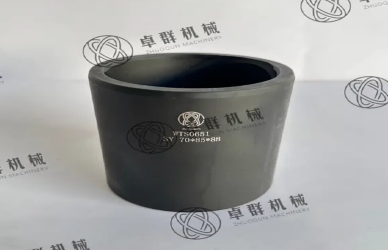
Bucket bushings are essential components used in heavy machinery, particularly in equipment like excavators, backhoes, and other digging machines. These bushings serve as a protective element, reducing wear and tear between moving parts, particularly where the bucket attaches to the machinery. Their main function is to provide a smooth, durable interface between metal components, allowing the equipment to function efficiently and for longer periods. Bucket bushings play a crucial role in enhancing the performance of the machine by minimizing friction, preventing damage, and ensuring the machinery operates smoothly under high loads and harsh conditions. With a variety of materials available, choosing the right bushing material is crucial to maximizing the durability and efficiency of the equipment. In this article, we will explore the common materials used in bucket bushings, the factors influencing material selection, and how the right choice can improve machinery performance and reduce maintenance costs.
Bucket bushings are available in a variety of materials, each designed to meet specific performance needs depending on the environment and machinery requirements. The most common materials used for bucket bushings include steel, bronze, polymer composites, and ceramic materials, each with unique characteristics that make them suitable for different operating conditions.
Steel is one of the most commonly used materials for bucket bushings due to its strength and durability. It is ideal for high-load conditions where heavy-duty machinery is required to handle significant stress and pressure. Steel bushings are known for their ability to withstand tough environments, providing long-lasting performance in rugged conditions. These bushings are highly resistant to deformation under heavy load and offer reliable support, making them a preferred choice for high-performance equipment.
Bronze is another widely used material for bucket bushings, primarily due to its excellent wear resistance and self-lubricating properties. It performs exceptionally well in high-friction environments, where metal-on-metal contact is inevitable. Bronze bushings reduce the need for external lubrication, making them highly efficient in applications where maintenance intervals need to be extended. Additionally, bronze's corrosion resistance allows it to perform well in harsh environments, making it a go-to material for industries like construction and mining.
Polymer composites are lightweight, corrosion-resistant materials that are ideal for low-load and wet environments. These bushings offer a combination of low friction and high chemical resistance, making them perfect for machinery operating in humid or submerged conditions. While polymer composite bushings may not bear the same heavy loads as steel or bronze, they are highly effective in applications where weight reduction and resistance to corrosion are top priorities. They are often used in lighter machinery or where reducing wear and tear on softer materials is important.
Ceramic materials are increasingly being used in bucket bushings due to their exceptional wear resistance and ability to withstand high temperatures. They are particularly beneficial in extreme conditions, such as high-heat or high-wear environments, where other materials might degrade over time. Ceramics can handle high-impact stress and are highly resistant to abrasion, making them ideal for specialized machinery that requires superior performance under harsh conditions. While they are more expensive than other materials, their longevity and performance often justify the cost in demanding applications.
When selecting the right material for bucket bushings, several key factors must be considered to ensure optimal performance and longevity. These factors include the load-bearing capacity of the machinery, the environmental conditions in which the machinery operates, and the durability needs of the equipment. Choosing the appropriate material based on these factors can significantly improve the efficiency, lifespan, and overall reliability of the equipment.
The load-bearing capacity is one of the most important factors in material selection for bucket bushings. Different types of machinery experience varying levels of stress and weight distribution, and the bushing material must be able to support these loads without deforming or failing prematurely. For high-load machinery, such as excavators and bulldozers, materials like steel or bronze are preferred because they have high strength and can withstand the significant pressure exerted during operation. For lighter machinery, materials such as polymer composites might be sufficient, as they offer a balance between performance and weight.
The environmental conditions in which the machinery operates also play a critical role in material selection. Factors such as high temperatures, humidity, and exposure to corrosive substances can influence the wear and tear on the bucket bushings. For example, machinery operating in wet or corrosive environments, such as marine or coastal regions, may require polymer composites or bronze, which offer excellent corrosion resistance and perform well under moisture-rich conditions. On the other hand, ceramic materials are highly effective in extreme conditions, such as high-temperature environments, where other materials might degrade or lose strength. Choosing the right material to withstand these environmental factors ensures that the bushings maintain their integrity and performance over time.
The durability of the material is another key factor influencing material selection. Bucket bushings are subjected to constant friction, heavy impact, and abrasive wear, all of which can lead to premature failure if the wrong material is used. Selecting materials with superior wear resistance and the ability to endure high levels of stress is essential for ensuring that the bushings last for an extended period, reducing the frequency of maintenance and replacements. Bronze is known for its exceptional wear resistance and self-lubricating properties, making it ideal for machinery that operates under high-friction conditions. Steel and ceramic materials also offer high durability and are particularly useful in heavy-duty machinery that requires consistent performance under strenuous conditions.
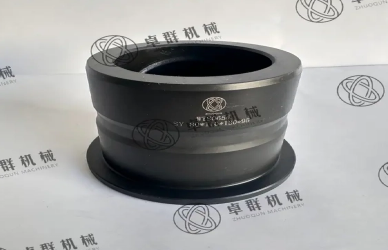
Using high-quality materials for bucket bushings offers several key advantages, including enhanced performance, lower maintenance costs, and a longer service life for machinery. Here's a breakdown of these benefits:
High-quality materials like steel, bronze, and ceramics enhance machinery performance by reducing friction and wear. These materials create a smoother interface between moving parts, improving efficiency and enabling better operation under heavy loads or extreme conditions. For instance, ceramic bushings excel in high-temperature environments, ensuring reliable heat management and improved performance.
Investing in high-quality materials reduces the need for frequent repairs and replacements. Materials such as bronze and steel are highly durable, reducing wear and minimizing downtime. Bronze, with its self-lubricating properties, lowers the need for constant maintenance. Over time, the initial investment in high-quality bushings pays off through significant savings on maintenance and repairs.
High-quality materials like steel and ceramics resist abrasion, corrosion, and wear, significantly extending the lifespan of machinery. These bushings maintain their integrity even under heavy use, reducing the risk of failure and ensuring the equipment serves reliably for years.
When selecting the material for bucket bushings, it’s important to consider the machinery’s load-bearing capacity, the environmental conditions (such as temperature, humidity, or exposure to chemicals), and the durability needs (such as wear resistance and lifespan). The material choice directly impacts the bushing’s performance, maintenance intervals, and the longevity of both the bushings and the machinery.
The material of a bucket bushing significantly influences how often maintenance is required. Materials like bronze and steel are more durable, which reduces the frequency of replacements and repairs. For instance, self-lubricating bronze bushings can lower the need for constant lubrication, while ceramic bushings require less maintenance in extreme conditions. Choosing a high-quality material can lead to longer intervals between maintenance, reducing overall downtime.
In some cases, bucket bushings made from different materials can be used in the same equipment, depending on the specific design of the machinery. However, care should be taken to ensure compatibility in terms of size, load-bearing capacity, and friction levels. For example, bronze bushings may be used in high-friction areas, while polymer composite bushings might be used in less demanding, lighter sections of the equipment. It is important to consult manufacturer guidelines to ensure proper material selection.
The cost of bucket bushings can vary significantly depending on the material. Steel and polymer composites are typically more affordable, making them suitable for general applications. Bronze bushings tend to be more expensive due to their enhanced wear resistance and self-lubricating properties. Ceramic bushings, being highly specialized for extreme conditions, are usually the most costly but offer exceptional durability and performance in harsh environments. The cost difference reflects the material’s durability, performance, and suitability for specific operating conditions.
In conclusion, selecting the right material for bucket bushings is crucial for optimizing the performance and longevity of heavy machinery. The material choice directly impacts factors such as load-bearing capacity, wear resistance, and the ability to withstand harsh environmental conditions. Whether it's steel for high-strength applications, bronze for self-lubricating and wear resistance, polymer composites for corrosion resistance, or ceramic materials for extreme durability, each material offers unique benefits suited to specific operational needs. By investing in high-quality materials, equipment owners can not only improve machinery efficiency and performance but also reduce long-term maintenance costs and extend the service life of their machinery. Ultimately, the right choice in bucket bushing materials leads to fewer breakdowns, lower repair expenses, and a better return on investment, making it a wise decision for businesses aiming to maximize their operational efficiency.


