
+86-17692703999
+86-17692703999 No. 6, West Side Auxiliary Road,
Sunshine Street, Linxi County, Xingtai
City, Hebei Province
Sunshine Street, Linxi County, Xingtai
City, Hebei Province

Views: 0 Author: Site Editor Publish Time: 2025-11-18 Origin: Site
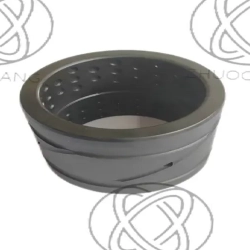
Loader bushings are vital for the smooth operation and longevity of construction equipment. They reduce friction, absorb shock, and prevent direct wear on metal surfaces between moving parts, such as the loader arms and joints. Without properly functioning bushings, loaders would experience increased friction, faster wear, and could eventually fail under stress, leading to costly repairs and downtime.
Regular maintenance and care of loader bushings, including lubrication, inspections, and timely replacement, are crucial for maintaining peak performance. Neglecting maintenance can have serious consequences. As bushings wear, friction increases, causing overheating, further damage to surrounding parts, and a higher risk of breakdowns. This leads to more frequent repairs, longer downtime, and expensive replacements of other components. Ultimately, poor maintenance reduces your loader’s lifespan and increases operational costs.
Identifying wear and tear in loader bushings early is essential to maintaining performance and avoiding costly repairs. Below are key indicators to watch for:
Cracks: Small cracks or fractures indicate excessive stress or improper installation, weakening the bushing's effectiveness.
Grooves and Scoring: Visible grooves show prolonged friction, usually due to inadequate lubrication or overuse.
Uneven Wear: Uneven wear patterns suggest misalignment, leading to further damage and reduced efficiency.
Discoloration: Fading or discoloration of materials like rubber can signal material degradation from heat or chemical exposure.
Increased Noise: Squeaking or grinding sounds may indicate worn bushings unable to absorb shock or reduce friction properly.
Rough Operation: Jerky or uneven movement during operation often means the bushings aren’t cushioning as they should.
Vibration: Excessive vibration can signal worn-out bushings, leading to instability and added stress on the loader.
Overloading: Exceeding the loader’s weight capacity stresses the bushings, leading to faster wear and tear.
Insufficient Lubrication: Lack of proper lubrication causes friction and heat buildup, which degrades bushings over time.
Harsh Operating Conditions: Extreme temperatures, moisture, dust, and abrasive materials speed up wear and require more frequent maintenance.
Regular maintenance of loader bushings is essential for extending their lifespan, preventing breakdowns, and maintaining performance. Below are the key practices:
Proper lubrication is crucial to reduce friction, prevent overheating, and ensure smooth operation.
Correct Lubricant: Use high-quality grease with anti-wear additives. Using the wrong lubricant can lead to inadequate protection and faster wear.
Lubrication Intervals: Lubricate every 100 to 250 operating hours, or more frequently in harsh conditions, to maintain bushing health.
Lubrication Technique: Apply lubricant evenly and avoid over-lubricating, which can cause contamination.
Regular cleaning prevents dirt and debris from causing abrasion and damage.
Cleaning Frequency: Clean after each shift in harsh environments or every few days in less demanding conditions.
Cleaning Methods: Use a soft brush or compressed air to remove debris. Avoid harsh chemicals that may damage bushings.
Frequent inspections help detect early signs of wear, misalignment, or damage.
Inspection Frequency: Inspect every 250 to 500 operating hours, or more frequently in extreme conditions.
What to Inspect: Look for cracks, wear patterns, misalignment, or size changes using a micrometer or caliper.
Tools for Inspection: Use a flashlight, soft brush, and caliper to check dimensions and cleanliness.
Proper tightening and alignment ensure bushings are functioning correctly and prevent uneven wear.
Alignment: Check that bushings are correctly aligned to avoid additional stress or friction.
Tightening: Ensure bolts are secure but not over-tightened to avoid damaging the bushing.
Re-aligning: After heavy use, check alignment to prevent vibrations and further wear.
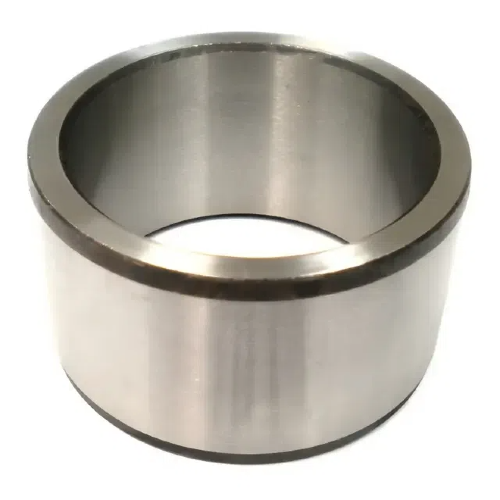
Replacing worn loader bushings is essential for maintaining efficiency and preventing damage to other components. Here's a guide on when and how to replace them:
Recognizing signs of wear is key to preventing further damage:
Excessive Wear: Grooves, scoring, or material loss mean the bushing no longer reduces friction effectively.
Deformation: Flattened or irregularly shaped bushings indicate a loss of structural integrity.
Damage: Cracks or fractures show the bushing is no longer functional and needs immediate replacement.
Follow these steps for a proper replacement:
Step 1: Safety First
Ensure the loader is off, and wear protective gear like gloves and goggles.
Step 2: Remove the Old Bushing
Use tools (e.g., hammer, hydraulic press) to carefully remove the worn bushing without damaging surrounding parts.
Step 3: Clean the Area
Clean the housing to remove dirt, debris, or old lubricant that may affect the new bushing.
Step 4: Install the New Bushing
Insert the new bushing, ensuring a snug fit. Use the proper tool to seat it correctly.
Step 5: Reassemble and Test
After installation, reassemble any removed components, lubricate the bushing, and test the loader for smooth operation.
Select the right replacement based on these factors:
Compatibility: Ensure the bushing matches the loader’s specifications (size, material, load capacity).
Material: Choose steel, bronze, or composite materials based on your operating conditions (e.g., high temperatures or abrasives).
Load-Bearing Capacity: Choose a bushing that can handle the weight and forces your loader experiences.
Environmental Conditions: Select corrosion-resistant bushings for wet environments, or wear-resistant ones for dusty or abrasive conditions.
Neglecting regular maintenance of loader bushings can have serious consequences, both for the bushings themselves and for the overall performance of your equipment. Here’s a closer look at the negative effects of poor maintenance:
Without proper lubrication and care, loader bushings can experience excessive friction during operation. As friction increases:
Heat Build-up: Lack of lubrication or insufficient maintenance causes the bushing to overheat, leading to the breakdown of materials and reduced effectiveness.
Faster Wear: Continuous friction without lubrication accelerates wear, leading to early degradation of the bushing and increased downtime for repairs.
This cycle of overheating and excessive friction can also stress surrounding components, further increasing the risk of damage.
When bushings are not properly maintained, they wear down much faster. Over time, neglecting to lubricate, clean, or inspect the bushings leads to:
Material Deterioration: Abrasive materials, dust, and dirt can accumulate on the bushings, leading to erosion, scoring, and cracking of the bushing surface.
Misalignment: Loose or improperly aligned bushings contribute to irregular wear patterns, causing the bushing to degrade at an accelerated rate.
This faster degradation leads to more frequent replacements, increasing the total cost of ownership and reducing the machine’s overall lifespan.
Ignoring routine maintenance significantly impacts operational efficiency:
Increased Fuel Consumption: Worn-out or poorly lubricated bushings cause more friction, leading to higher resistance during operation. This results in increased fuel consumption as the loader has to work harder.
More Frequent Repairs: Lack of timely inspections can cause minor issues to escalate into major failures, requiring costly repairs and extended downtime.
Higher Labor Costs: Frequent breakdowns or equipment failures often mean additional labor costs for technicians and repair personnel, further adding to operational expenses.
In the long term, neglecting the maintenance of loader bushings can result in more severe equipment failures:
Total Bushing Failure: If bushings become excessively worn, they may eventually fail completely, leading to catastrophic damage to surrounding parts, such as joints, pins, or hydraulic systems.
Damage to Other Components: When bushings are worn or misaligned, they place extra stress on other mechanical parts of the loader, potentially causing further damage and requiring larger-scale repairs.
Unexpected Downtime: Equipment failure due to poor maintenance leads to unplanned downtime, halting operations and delaying projects, which can significantly affect overall productivity and project timelines.
Inspection frequency depends on usage and operating conditions. For normal use, it’s recommended to inspect the bushings every 250 to 500 operating hours. In harsh conditions, inspections should be more frequent.
The type of lubricant depends on the material of the bushing. For most bushings, high-quality grease with anti-wear additives is ideal. Always refer to the manufacturer's guidelines for the recommended lubricant type.
In some cases, minor repairs such as re-greasing or realignment can extend the life of a bushing. However, severely worn or damaged bushings should be replaced to prevent further damage to the equipment.
Preventing premature wear involves maintaining proper lubrication, cleaning the bushings regularly, ensuring correct alignment, and avoiding overloading the loader beyond its rated capacity.
In conclusion, regular maintenance and proper care are crucial for extending the lifespan of loader bushings and ensuring your loader operates at its best. Early detection of wear and timely replacement of damaged bushings can prevent further damage and reduce downtime. By following a consistent maintenance schedule, such as lubricating, cleaning, and inspecting the bushings, you can avoid costly repairs and maintain smooth performance. Choosing high-quality bushings that match your loader’s specifications and operating conditions will also help reduce friction, wear, and maintenance costs over time. Ultimately, taking care of your loader bushings will lead to fewer breakdowns, lower operational costs, and improved productivity, helping your equipment perform reliably for the long term.


