
+86-17692703999
+86-17692703999 No. 6, West Side Auxiliary Road,
Sunshine Street, Linxi County, Xingtai
City, Hebei Province
Sunshine Street, Linxi County, Xingtai
City, Hebei Province

Views: 0 Author: Site Editor Publish Time: 2026-01-19 Origin: Site
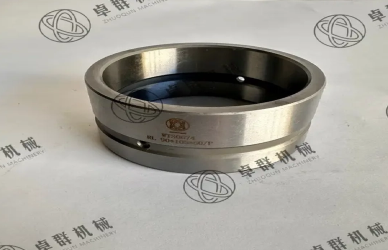
Bucket bushings play a critical role in the smooth operation of heavy machinery, particularly in equipment like excavators, backhoes, and bulldozers. These bushings act as a protective interface between moving parts, reducing friction, wear, and ensuring secure attachment between the bucket and the machine. The correct size of the bucket bushing is crucial for maintaining optimal performance and safety. An incorrectly sized bushing can lead to improper fit, causing misalignment, excessive wear on other components, and increased stress on the machinery. This can not only reduce the efficiency and lifespan of the equipment but also pose safety risks to operators. Therefore, selecting the right size bushing ensures that the machinery operates smoothly, reduces the risk of mechanical failure, and extends the overall service life of the equipment.
Bucket bushings come in various sizes to fit different types of heavy machinery, such as excavators, backhoes, and bulldozers. These bushings are designed to match the specific attachment points of the machinery, ensuring efficient and safe operation. Selecting the right size bushing is critical for the performance, stability, and longevity of the equipment.
The size of a bucket bushing is determined by several key measurements:
Inner Diameter (ID): The inner diameter is the size of the hole that fits around the pin or axle of the bucket attachment. It must match the pin size exactly for a secure fit.
Outer Diameter (OD): The outer diameter determines how the bushing fits into the housing of the machine. A correct outer diameter ensures a tight, secure fit.
Length (L): The bushing length ensures it fills the space between the bucket and machinery attachment, providing proper alignment.
Wall Thickness: This refers to the thickness of the bushing material. Thicker walls offer greater durability and load-bearing capacity.
Material Compatibility: The bushing material (steel, bronze, composite, etc.) affects its strength and durability depending on the machinery's requirements.
Choosing the correct size ensures a proper fit, preventing misalignment, excessive wear, and increased vibration. Misfitting bushings can lead to higher maintenance costs, downtime, and damage to surrounding parts. Proper sizing helps maintain equipment efficiency, minimizes wear, and reduces the risk of mechanical failure.
The size of a bucket bushing is influenced by several factors, each crucial to ensuring the machinery operates efficiently and safely. Understanding these factors helps in selecting the right bushing size for your equipment.
The type of machinery plays a significant role in determining the size of the bucket bushing. Different machines are designed to handle varying load capacities, and the bushing size must match the machine's structural requirements. Heavy-duty machines, such as large excavators or bulldozers, require larger, stronger bushings to handle higher loads and stresses. Smaller machines, like compact loaders, need smaller, lighter bushings that can handle less weight and pressure without compromising performance.
The size of the bucket itself is another key factor in bushing selection. Larger buckets require bigger bushings to support the additional weight and volume of material being moved. The bushing size must align with the bucket's attachment points to ensure proper functionality and prevent unnecessary wear. A larger bucket means more surface area in contact with the machine’s attachment points, requiring a correspondingly larger bushing for optimal fit and performance.
The material used for the bucket bushing can also influence the required size. Heavy-duty materials such as steel or bronze are often used in high-load applications, requiring larger bushings to withstand the stress. For lighter equipment or less demanding tasks, polymer composites or other lightweight materials may be used, allowing for smaller bushings. The material choice determines the durability, wear resistance, and strength needed for the bushing, which affects the overall size and fit.
Choosing the correct size bucket bushing is essential for maintaining machinery performance, preventing excessive wear, and ensuring safety. The right size ensures a proper fit, optimal operation, and long-lasting equipment. Here are some key tips for identifying the right bushing size for your machinery:
To select the right size bushing, start by measuring key dimensions of the equipment’s attachment points. Focus on:
Inner Diameter (ID): Measure the pin or axle that will fit through the bushing. The inner diameter of the bushing must match this size exactly to ensure a secure fit.
Outer Diameter (OD): Measure the housing or space where the bushing will sit. The outer diameter of the bushing must fit snugly within the attachment point to prevent movement.
Length: Measure the distance from one side of the attachment to the other, ensuring that the bushing fills the entire gap and provides proper support.
It’s also essential to consider wall thickness to ensure the bushing can withstand the load and stress it will be subjected to during operation.
Always refer to the manufacturer's specifications when selecting a replacement bushing. Manufacturers provide detailed guidelines that include the exact dimensions, material recommendations, and load-bearing capacities for bushings. These specifications are tailored to the specific machinery model and ensure compatibility with your equipment. Using the right bushing size ensures that it will fit and function as intended, avoiding costly repairs and downtime.
Accurate measurement is key to choosing the right bushing. To ensure precise measurements, use high-quality tools such as a caliper or micrometer to measure the inner and outer diameters as well as the length of the bushing and attachment points. Even slight discrepancies in measurement can cause misalignment, leading to operational inefficiencies or premature wear.
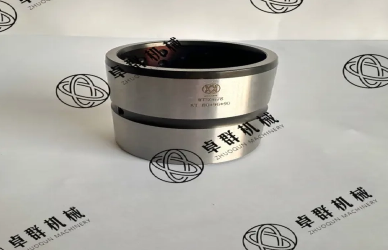
Finding the right size bucket bushing is crucial for maintaining equipment performance. Here are common sources for purchasing replacements and how to ensure compatibility.
OEM parts are the best option for exact replacements. They are designed specifically for your machinery, ensuring perfect compatibility.
OEM Dealers: Authorized dealers can provide genuine parts.
Manufacturer Websites: Many manufacturers offer online ordering based on machine model and serial number.
Aftermarket bushings are often more affordable and offer a wide range of options. Choose reputable suppliers for good quality and fit.
Online Marketplaces: Websites like Amazon and eBay feature aftermarket parts.
Local Dealers: Local suppliers may also offer aftermarket bushings and custom sizing options.
For non-standard sizes or materials, custom manufacturers can create bespoke bushings to suit specific equipment needs.
To ensure the correct fit:
Check Equipment Specifications: Refer to your machine’s manual for exact dimensions.
Compare Measurements: Measure the inner diameter, outer diameter, and length.
Ask for Support: Contact customer service for guidance, especially when ordering from OEM dealers.
To measure the correct size for a bucket bushing, focus on three key dimensions:
Inner Diameter (ID): Measure the diameter of the pin or axle that fits through the bushing.
Outer Diameter (OD): Measure the diameter of the bushing that fits into the bucket or machinery attachment.
Length: Measure the length of the bushing from one end to the other to ensure it fits the space correctly.
Using precise tools like a caliper or micrometer is essential for accurate measurements.
It’s generally not recommended to use a different size bushing. Using the wrong size can cause misalignment, increased wear, and mechanical failure. However, in urgent cases, a temporary replacement may be used if it fits properly, but you should replace it with the correct size as soon as possible to avoid damage to your equipment.
Installing the wrong size bucket bushing can lead to several issues:
Misalignment: The bucket may not function properly, leading to poor performance and increased wear on other components.
Increased Wear: A misfitting bushing can accelerate wear on both the bushing and the surrounding parts.
Safety Risks: Loose or improperly sized bushings can cause the bucket to detach or fail during operation, posing safety hazards.
While there are some standard sizes for bucket bushings, especially for common machinery models, sizes can vary significantly between different manufacturers and machine types. It's essential to check the manufacturer's specifications for your specific machine model to ensure compatibility. Standard sizes are often used in mass-produced equipment, but custom sizes are common for specialized or heavy-duty machines.
Choosing the correct size bucket bushing is vital for ensuring the optimal performance and longevity of your machinery. Accurate measurements—such as inner diameter, outer diameter, and length—are essential to ensure proper fit and alignment. Using the wrong size bushing can lead to misalignment, excessive wear, and potential safety risks, which could result in costly repairs and downtime. While some standard sizes exist, it’s crucial to refer to manufacturer specifications to confirm compatibility, especially when dealing with different brands or specialized equipment. By measuring correctly and selecting the appropriate size, you can enhance equipment efficiency, reduce maintenance costs, and prolong the lifespan of your machinery.


