+86-17692703999
+86-17692703999 No. 6, West Side Auxiliary Road,
Sunshine Street, Linxi County, Xingtai
City, Hebei Province
Sunshine Street, Linxi County, Xingtai
City, Hebei Province

Views: 0 Author: Site Editor Publish Time: 2026-05-29 Origin: Site

You want your loader to be safe and work well every day. Loader bushings and pins are important for your machine. They help your equipment stay strong and work well. If you use good parts, like the Loader Pin Shaft from Shanghai Fenghua International Enterprise Co., Ltd., you stop uneven wear. This also lowers the chance of expensive problems. Check your loader often. Use the right oil. Change loader bushing parts when you need to. This keeps noise and shaking low. It also keeps operators safe and helps your machine last longer.
You use your loader a lot. Changing loader bushings keeps it safe and working well. If you do not replace worn bushings and pins, your loader can move in unsafe ways. It can also be hard to control. The table below shows some risks:
Safety Risk Description |
|---|
If the pivot is very worn, the loader can move unsafely and be hard to control. |
A bucket pin that is loose can make the loader less accurate and wear out parts faster. |
If you see parts moving too much, they can hit hard when lifting heavy things. |
Changing bushings on time protects your loader and your team. Good parts, like those from Shanghai Fenghua International Enterprise Co., Ltd., help your loader break down less. You also avoid big repair bills. Doing regular checks and using oil keeps your loader running well. If you change all the parts at once, you do not have to take things apart again soon. This saves money and time.
Changing pins and bushings on time stops them from wearing out too much. This helps you avoid big problems and repairs.
If you ignore these parts, they can get loose and hurt other parts, like the socket. Fixing this can cost a lot.
Checking and oiling your loader often keeps it working right and stops dangerous breaks, like a boom breaking.
Changing all the parts at once means you do not have to take things apart again soon. This lowers how often you need to fix your loader and saves money.
It is important to know when to change loader bushings. Watch for these signs:
The loader is harder to control and does not work as well.
You see grooves, cracks, or bent spots during checks.
The loader wobbles or rattles because parts move too much.
You need to add oil more often, which means bushings are wearing out.
You hear strange sounds, like clanking or grinding, when using the loader.
You can find these problems early if you check your loader often. If you see damage or need repairs a lot, you should get new parts. This keeps your loader safe and stops bigger problems.
Before you start, gather all the tools and materials you need. This helps you work faster and safer. Here is a list of essential items:
Screwdriver and hammer for removing covers and pins.
Punch and hydraulic press for pushing out old bushings.
Angle grinder to cut off tight nuts.
Hoist or certified straps to support heavy parts.
Welding machine for heating stubborn bushings.
Specialized pulling tools or hydraulic ejection devices for tough jobs.
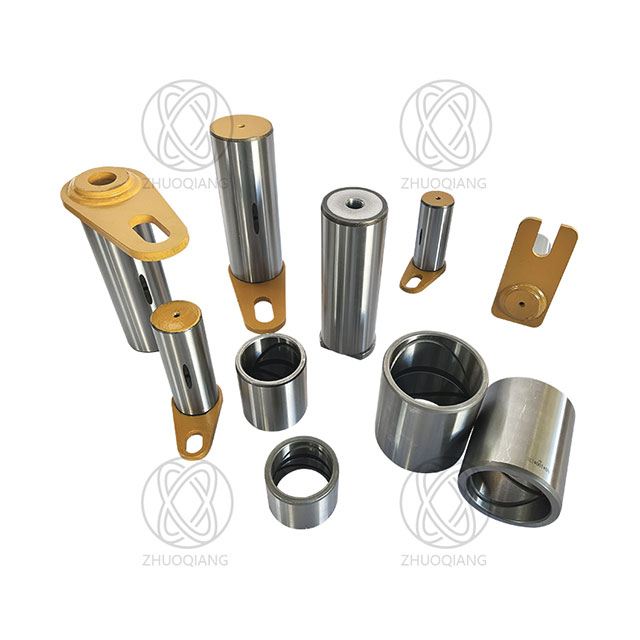
Loader pin shafts and new bushings that fit your machine, like those from Shanghai Fenghua International Enterprise Co., Ltd.
Tip: Prepare new bushings before you begin. This prevents delays during installation.
You must protect yourself while working. Always wear the right safety gear:
Safety glasses to shield your eyes from flying debris.
Heavy-duty gloves to protect your hands.
Steel-toed boots for foot safety.
Ear protection if you use loud tools.
Work clothes that cover your arms and legs.
Disconnect the battery if you use a welding machine. This keeps you safe from electric shocks.
Set up your work area before you start. Clean the loader to remove dirt and grease. Place the loader on a solid, flat surface. Lower the outriggers for extra stability. Make sure you have enough space to move around the machine.
"Use an oxyacetylene flame to locally heat the outer ring of the bushing, which will reduce the tightness of the fit. Then, use a specialized pulling tool or hydraulic ejection device to remove the bushing."
Using quality loader pin shafts and bushings helps you finish the job quickly and safely. These parts fit well and last longer. You can do the work on-site, which saves time and money. This also reduces downtime and keeps your loader ready for work.
You must secure your loader before you start removing bushings. This keeps you safe and protects your equipment. Follow these steps:
Wash the loader to remove dirt and grease. Clean surfaces help you see parts clearly.
Place the loader on a solid base. This prevents the machine from shifting during work.
Lower the outriggers. This adds stability and stops the loader from resting on unstable tires.
Secure the frame with stands or wooden blocks. This supports the loader and keeps it steady.
Tip: Always double-check that the loader cannot move. Safety comes first.
You need to remove several parts to reach the loader bushings. Many loaders have parts like hydraulic tanks and flatbeds installed in hard-to-reach places. Sometimes, you must slide out the bed or remove the flatbed to get to the bushings. This process can take a long time and may require extra tools. If a hydraulic line breaks or fluid leaks, you face more challenges. Mechanics often spend hours accessing these components because traditional trucks are not designed for easy maintenance.
Start by removing covers and guards. Next, disconnect hydraulic lines if needed. Take off the bucket or attachment to expose the bushings. Work slowly and keep track of bolts and pins. If you face stuck parts, use a hammer or specialized tool. You may need to cut off tight nuts with an angle grinder. Keep your workspace organized to avoid losing small parts.
Note: Loader designs can vary. Always check your machine’s manual for specific instructions.
You need to remove old bushings before you can install new ones. Start by using a hammer and punch to loosen the bushing. If the bushing does not move, try other methods. You can weld beads around steel bushings. The heat from welding causes the bushing to shrink, making it easier to pull out. For brass bushings, heat them with an oxyacetylene torch until they melt slightly. This helps loosen the fit. You can also use an air arc or a carbide burr bit in a die grinder to split stubborn bushings.
If you have a hydraulic press, use it to push out the bushing slowly. Always avoid direct hammering on the loader lugs. This prevents damage to the swing frame bushings and other important parts. Sometimes, you need to freeze bushings with liquid nitrogen or dry ice. Cold temperatures make bushings contract, which helps you remove digger bushes with less force.
Tip: If you do not have a special pulling tool, you can make one with a screw and a pad. Apply force evenly to avoid bending the loader parts.
After you remove the bushings, check the pins for wear. Look for looseness or increased play. If the clearance is more than 1.5 to 2 millimeters, you should replace excavator bucket pins. Listen for unusual noises or vibrations when the loader works. Metallic knocking or extra shaking means the pins or bushings are worn out.
Check for uneven wear, scratches, or dents on the pins. Worn pins can make the loader less smooth and reduce efficiency by up to 20 percent. If you see leaking or dirty grease, this is a sign that you need to replace digger link pins. Always replace pins that show signs of damage. If you reuse worn pins, you will cause early wear on new bushings and may need another repair soon.
The life of a pin of even the best quality still depends on proper sizing of the mating bore or bearing. Putting a rebuilt pin in a loose bore will result in premature wear on the pin.
Now you can install new loader bushing parts. Clean the area where the bushing will go. Heat the outer ring of the bushing with an oxyacetylene flame until it is slightly red-hot. This reduces the interference fit and makes installation easier. Do not overheat the area. Too much heat can damage the loader’s material.
Use a specialized pulling tool or a hydraulic ejection device to push the new bushing into place. If you do not have these tools, use a screw and pad to apply even pressure. Make sure the bushing fits tightly. Sometimes, you need to ream the bushing for a perfect fit. Check the sliding washers and replace bushes in a bucket link if you see any wear.
Freeze the new bushings before installation if possible. Cold bushings shrink and slide in more easily. After you finish, check that everything moves smoothly. This step helps you replace bushes in a bucket link and replace digger bushes without problems.
Note: Always use loader bushing parts that match your machine. Quality parts, like those from Shanghai Fenghua International Enterprise Co., Ltd., help your loader last longer and work better.
You have now completed the main steps to replace pins and bushes. Careful work during removal and installation will help your loader run safely and efficiently. Regular replacement of bushings and pins keeps your equipment ready for tough jobs.
You need to put all the loader parts back in the right order. Start by lining up the new bushings and pins with the loader arms and bucket. Insert the pins carefully. Use a hammer or press if you need to, but do not force them. Tighten all bolts and nuts to the correct torque. Check your loader’s manual for the right numbers. Reconnect any hydraulic lines you removed. Attach covers and guards to protect moving parts. Keep your workspace clean so you do not lose any small pieces.
Tip: Take photos during disassembly. These photos help you remember where each part goes during reassembly.
You must add grease to all new bushings and pins. Use a grease gun to fill each grease fitting until you see fresh grease come out. This step helps the new parts move smoothly. Wipe away extra grease to keep dirt away. Check the loader’s movement. If you see any tight spots, adjust the pins or bushings. Make sure everything moves without sticking or grinding.
Use only the grease recommended by your loader’s manual.
Lubricate all points, even the ones that are hard to reach.
Adjust the loader arms and bucket for smooth operation.
You should test the loader before you return it to work. Start the engine and move the loader arms and bucket slowly. Listen for strange noises. Watch for smooth movement. If you see leaks or hear clanking, stop and check your work. Test the loader with a light load first. Make sure all parts stay tight and nothing shifts.
Regular testing and checks help you catch problems early. This keeps your loader safe and ready for tough jobs.
You protect your loader when you use quality parts like the Loader Pin Shaft from Shanghai Fenghua International Enterprise Co., Ltd. Regular maintenance and careful reassembly help your machine last longer. You save money and avoid downtime when you follow these steps.
Changing loader bushings and pins the right way keeps your machine safe. It also helps your loader work well every day. Doing regular checks stops parts from wearing out too fast. This makes your loader easy to control. Good parts, like those from Shanghai Fenghua International Enterprise Co., Ltd., help your loader bucket last longer. You can save money because your loader bucket may last up to 25% longer.
Always stay safe:
Turn off the loader and put the bucket down.
Use Lockout/Tagout so no one gets hurt.
Make sure your work area is clean and bright.
Look closely for cracks, worn spots, or leaks.
Maintenance Task | Frequency |
|---|---|
Check the track or tires | Daily |
Clean and replace air filters | Monthly |
Examine the batteries | Monthly |
Check hydraulic system | Monthly |
Check cooling system | Monthly |
Check the brake system | Monthly |
Engine and transmission services | Annually |
Inspect undercarriage wear and tear | Annually |
Update all software | Annually |
Examine equipment structure | Annually |
Keep this guide close when you work on your loader. Taking care of your loader and using good parts helps it last longer. Your loader will work better every day if you follow these steps.
You should check loader bushings and pins every month. Look for signs of wear, noise, or loose movement. Regular checks help you find problems early and keep your loader safe.
You need a hammer, punch, screwdriver, hydraulic press, and safety gear. You may also need a welding machine or a special pulling tool for tough bushings.
Quality loader pin shafts, like those from Shanghai Fenghua International Enterprise Co., Ltd., last longer and fit better. They help your loader work smoothly and reduce the chance of breakdowns.
Yes, you can replace loader bushings if you have the right tools and follow safety steps. Always read your loader’s manual before you start.
Look for clanking sounds, loose movement, or extra grease leaks. If you see cracks or grooves during checks, you should replace the bushings soon.