Excavators are crucial machines in construction, mining, and demolition, with each part playing a vital role in ensuring smooth operation and efficiency. The performance and longevity of an excavator depend on the proper functioning of its components. If any part, such as the engine, hydraulic system, or undercarriage, is not maintained or replaced on time, it can lead to performance issues, increased wear, and costly downtime.
Understanding which parts are critical for an excavator’s performance helps operators make informed decisions about maintenance and repairs. Regular inspections, timely part replacements, and proper care can extend the machine’s lifespan, improve efficiency, and reduce the risk of unexpected breakdowns. By focusing on key components like the hydraulic system and undercarriage, operators can keep their equipment running smoothly, minimizing operational disruptions and maximizing productivity.
Key Excavator Parts for Efficiency and Longevity
To keep an excavator running at peak performance and extend its operational lifespan, it’s essential to understand the key parts that drive efficiency. Proper maintenance of these critical components not only reduces the risk of failure but also ensures that the excavator is capable of performing heavy tasks reliably. Below are the most important excavator parts and best practices for maintaining them:
1. Engine: The Heart of the Excavator
The engine is the powerhouse of the excavator, providing the necessary power to perform various tasks such as digging, lifting, and swinging. A high-performance engine ensures that the machine can handle heavy-duty operations efficiently and maintain optimal fuel economy.
Maintenance Tips:
Oil Changes: Regular oil changes are essential to prevent engine overheating and wear. Follow the manufacturer’s recommendation on intervals and use the right oil type.
Cooling System Checks: Ensure the radiator and cooling system are clean and functioning well to prevent engine overheating, especially in heavy-use conditions.
Air Filter Inspection: Keep air filters clean to ensure the engine receives sufficient airflow and prevent contaminants from entering.
2. Hydraulic System: Powering the Movement
The hydraulic system powers critical excavator movements, including the boom, arm, and bucket. Properly functioning hydraulics are key to efficient performance and ensuring smooth operation under heavy load conditions.
Maintenance Tips:
Maintain Hydraulic Fluid Levels: Low fluid levels can cause inadequate power delivery, leading to sluggish or erratic movements. Always check and refill hydraulic fluids as needed.
Regular Inspections: Check for leaks or damage in hoses, pumps, and cylinders. Over time, wear and tear can cause hydraulic failures, affecting performance.
Fluid Changes: Periodically replace the hydraulic fluid to prevent contamination and ensure the system runs smoothly.
3. Undercarriage: Foundation of Stability
The undercarriage includes the tracks, rollers, and sprockets that support the weight of the excavator and absorb shocks during operation. Since it bears the brunt of the machine’s weight and impact, proper maintenance of the undercarriage is vital for both stability and longevity.
Maintenance Tips:
Track Inspection: Regularly inspect the tracks for damage, misalignment, and excessive wear. Uneven wear can reduce traction and damage other parts of the undercarriage.
Rollers and Sprockets: Check rollers and sprockets for signs of wear or damage. Lubricating these parts regularly ensures smooth operation and prevents unnecessary friction.
Proper Tensioning: Ensure the tracks are properly tensioned, as both overly tight and loose tracks can cause undue stress on other undercarriage components.
4. Bucket: The Workhorse of Excavation
The bucket is one of the most exposed parts of the excavator, often subjected to the harshest wear and tear. Selecting the right bucket for the job and performing regular inspections is key to maintaining productivity and preventing costly damage.
Maintenance Tips:
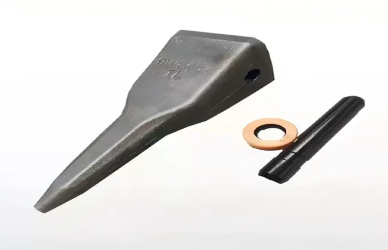
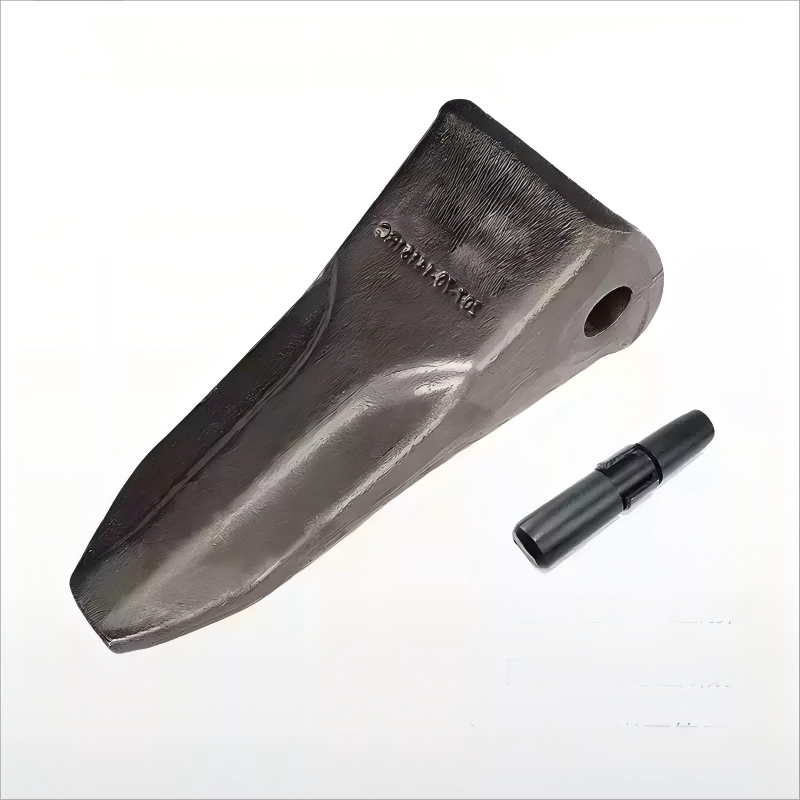
Regular Inspection: Inspect the bucket for cracks, dents, and signs of wear. Pay particular attention to the condition of the bucket teeth, as they can become dull or damaged from constant use.
Sharpening and Replacing Teeth: If the teeth are worn or cracked, replace or sharpen them to maintain digging efficiency and reduce unnecessary strain on the machine.
Choosing the Right Bucket: Use the appropriate bucket type (e.g., heavy-duty or standard) based on the nature of the material being excavated to prevent excessive wear.
5. Swing Bearing: Facilitating Rotation
The swing bearing allows the excavator to rotate the upper structure (house) independently of the undercarriage. This part is crucial for maneuverability, particularly when handling large loads or performing repetitive tasks like digging and dumping.
Maintenance Tips:
Proper Lubrication: Regular lubrication is essential to prevent friction and wear. Ensure that grease is applied consistently, particularly to the swing bearing’s teeth and joints.
Inspection for Wear: Check for any signs of abnormal wear, noise, or difficulty in rotation. If any issues arise, lubrication may be inadequate, or the bearing may need to be replaced.
6. Cylinders and Pumps: Hydraulic Movement Control
Cylinders and pumps play a crucial role in ensuring smooth hydraulic movement for the boom, arm, and bucket. They help control the excavator’s lifting, digging, and swinging motions, making them central to efficient operation.
Maintenance Tips:
Inspection for Leaks: Regularly check cylinders for hydraulic fluid leaks. Leaking cylinders can lead to a loss of pressure and reduced performance.
Monitor Pump Functionality: Check the hydraulic pumps for unusual noise or inefficiency, as this can signal wear and prevent smooth operation.
Pressure Check: Regularly check hydraulic pressure to ensure the system is operating within the manufacturer’s specifications.
Best Practices for Maintaining Key Excavator Parts
Maintaining excavator parts is essential for ensuring smooth operation and extending equipment life. By following key practices like regular inspections, proper lubrication, and timely part replacements, operators can reduce downtime and improve efficiency. Here's a summary of the best practices for keeping your excavator in optimal condition.
1. Regular Inspections: Catch Problems Early
Routine inspections help detect wear and damage early, preventing costly repairs. Key areas to inspect include:
Hydraulic system: Check for leaks and fluid levels.
Undercarriage: Inspect tracks and rollers for wear.
Bucket and attachments: Look for cracks or worn teeth.
Engine: Monitor for oil leaks or overheating.
Swing bearings: Ensure smooth operation.
Inspection Frequency: Daily visual checks before operation; detailed checks weekly or monthly.
2. Lubrication: Reduce Friction and Prevent Wear
Proper lubrication is crucial for high-friction parts like joints, bearings, and hydraulic cylinders. It reduces wear, prevents overheating, and protects against corrosion.
Use the right lubricant for each part.
Check levels regularly to avoid dry spots.
Grease high-wear areas like bucket pins and swing bearings.
3. Part Replacements: Prevent Bigger Issues
Replacing worn-out parts like filters, hoses, and bucket teeth before they cause damage is key to avoiding larger problems.
Filters: Change regularly to maintain engine and system efficiency.
Hoses: Replace cracked or leaking hydraulic hoses.
Bucket teeth: Replace worn teeth to prevent further damage.
Replacement Intervals: Follow manufacturer guidelines—typically every 250–500 hours for filters, and 1,000 hours for bucket teeth, depending on usage.
Choosing the Right Parts for Your Excavator
Selecting the right parts for your excavator is crucial to ensure efficiency, performance, and longevity. Here’s what to consider when choosing parts.
1. Compatibility: Ensure a Proper Fit
Always choose parts that are designed specifically for your excavator model. Each model has unique specifications, and using incompatible parts can cause inefficiencies, misalignment, and potential damage.
Fit: Parts like hydraulic hoses, filters, and bushings must match your excavator's size and capacity.
Task-Specific: Parts should align with the tasks your excavator is used for, whether it’s digging, lifting, or demolition.
Using incorrect parts can lead to increased wear and higher operating costs.
2. Material Quality: Prioritize Durability
High-quality materials in parts like bushings, seals, and cylinders improve performance and extend lifespan.
Durability: Opt for materials like high-grade steel, bronze, or composites, which resist wear and withstand harsh conditions.
Corrosion Resistance: Choose parts that are resistant to rust, especially in wet or chemically challenging environments.
Better materials will prevent premature failure and reduce maintenance needs.
3. Cost vs. Quality: Balance Upfront Costs and Longevity
While cheaper parts may seem like a good deal, they often wear out faster, leading to frequent replacements and higher maintenance costs.
Long-Term Value: Investing in quality parts may cost more upfront but will save money in the long run by reducing downtime and repair costs.
Critical Parts: For essential components like the engine and hydraulics, prioritize quality over cost.
A balance of cost and quality ensures you get the best performance and durability for your investment.
FAQ Section
1.How often should I replace the hydraulic fluid in my excavator?
Answer: It depends on the type of work being done, but typically, hydraulic fluid should be replaced every 1,000 to 1,500 hours of operation to prevent system damage and ensure optimal performance.
2.What are the signs that my excavator’s undercarriage needs maintenance?
Answer: Look for uneven wear on tracks, unusual vibrations, or noisefrom the rollers or sprockets. Uneven wear or cracking indicates the need for adjustment or replacement.
3.How do I know when to replace the excavator bucket?
Answer: If the teeth are worn down, the bucket shows signs of cracks, or it no longer holds material effectively, it's time for a replacement.
4.What can happen if the swing bearing is not properly maintained?
Answer: Lack of proper lubrication or neglecting maintenance can lead to increased wear, reducing the excavator's turning ability and causing expensive repairs due to component failure.
Conclusion
Maintaining key parts of your excavator is essential for ensuring its long-term performance and reliability. Proper care and regular maintenance help to keep the equipment running smoothly, reduce wear and tear, and prevent costly breakdowns. By focusing on maintaining critical parts like the engine, hydraulic system, undercarriage, and buckets, you can significantly extend the lifespan of your machine and maximize its operational efficiency.
Regular inspections and timely maintenance are key to identifying early signs of wear, preventing major failures, and reducing downtime. A proactive approach ensures that issues are addressed before they escalate, keeping your excavator in peak condition.
Investing in high-quality parts and adhering to a consistent maintenance schedule may require a higher upfront cost, but the long-term benefits—such as fewer repairs, less downtime, and improved performance—make it a smart investment. In the end, maintaining your excavator properly not only boosts its efficiency but also maximizes your return on investment over the life of the machine.


