
+86-17692703999
+86-17692703999 No. 6, West Side Auxiliary Road,
Sunshine Street, Linxi County, Xingtai
City, Hebei Province
Sunshine Street, Linxi County, Xingtai
City, Hebei Province

Views: 0 Author: Site Editor Publish Time: 2025-11-25 Origin: Site

Identifying worn-out loader parts early is crucial for maintaining efficiency and avoiding costly repairs. Unchecked wear can lead to serious damage, unexpected downtime, and higher repair costs. In fast-paced construction environments, delays due to equipment failure can quickly impact productivity.
Proactive maintenance helps catch small issues before they escalate. By replacing parts early, operators can prevent larger, more expensive breakdowns, ensuring the loader runs smoothly and extends its lifespan.
Regular inspections and prompt part replacements not only keep equipment performing at its best but also reduce downtime, improve safety, and save on long-term costs.
Visual inspection is one of the best ways to identify worn-out loader parts early and prevent potential breakdowns. Regular checks for specific wear indicators can help operators detect issues before they escalate. Here are key signs to watch for:
What to Look For: Visible cracks, fractures, or deformation in components like the bucket, joints, and chassis. These often result from excessive stress or harsh operating conditions such as overloading.
Impact on Performance: Cracked or deformed parts compromise structural integrity, affecting stability and performance. A damaged bucket or joint can reduce lifting capacity and efficiency.
Action to Take: Repair or replace damaged parts immediately to avoid further damage and failure during operation.
What to Look For: Inspect contact areas like bushings, bearings, and pins for smooth, shiny, or uneven surfaces, indicating wear from friction.
Impact on Performance: Excessive wear increases friction, leading to heat buildup and reducing efficiency. Over time, this can cause the failure of other components.
Action to Take: Regular lubrication and timely replacement of worn parts will prevent further damage and maintain smooth operation.
What to Look For: Rust or corrosion appears on metal parts exposed to moisture or harsh weather, especially on the undercarriage, hydraulic cylinders, and bucket. Look for reddish-brown discoloration or pitting.
Impact on Performance: Rust weakens metal, compromising strength and durability. It can cause malfunctions, especially in critical areas like the hydraulic system and undercarriage.
Action to Take: Clean rust-affected areas and apply anti-corrosion treatments. In severe cases, replace corroded parts to prevent failure and extend the loader's lifespan.
Listening and feeling the loader during operation can provide valuable insights into its condition. Here are key operational signs to look out for:
Grinding, squeaking, or rattling: These noises often indicate worn parts like bearings, bushings, or the hydraulic system. Grinding usually points to metal-on-metal contact, while squeaking may suggest increased friction due to worn components.
Action: Investigate the source of the noise. Check bearings, bushings, and the hydraulic system for wear, and address lubrication or replacement needs.
Excessive vibration or jerky movement: This can signal issues with the undercarriage, boom, or hydraulic system, such as misalignment or worn components.
Action: Inspect the undercarriage, joints, and hydraulic system. Address any misalignment, replace worn parts, and ensure proper lubrication to smoothen operation.
Reduced lifting capacity or slower response: A decrease in performance, especially in the hydraulic system, may be caused by worn-out cylinders or low fluid levels.
Action: Check the hydraulic system for leaks, and verify fluid levels and condition. Replace or repair any damaged components affecting performance.
By paying attention to these operational indicators, you can catch issues early and prevent costly repairs, ensuring your loader runs efficiently.
Regular inspection of key loader parts is essential for identifying wear, preventing major failures, and ensuring the machine operates efficiently. Here’s a guide to inspecting critical components:
Tracks, Rollers, and Sprockets: These parts are responsible for absorbing shocks and supporting the loader’s weight. Over time, they can wear down due to constant pressure and contact with rough surfaces.
What to Look For: Uneven wear, visible cracks, or broken components. Uneven track wear can indicate misalignment or mechanical issues.
Action: Inspect tracks regularly for damage, check rollers for smooth rotation, and monitor sprockets for teeth wear. Replace damaged parts immediately to prevent further damage to the undercarriage.
Hoses, Cylinders, and Pumps: Hydraulic systems are crucial for the loader’s lifting and digging capabilities. Leaks, cracks, or loss of pressure can significantly reduce the machine’s efficiency.
What to Look For: Leaks around hoses, cylinders with visible cracks, or low hydraulic fluid levels. Loss of pressure or slow operation indicates potential issues with pumps or valves.
Action: Inspect all hoses for wear, ensure seals are intact, and check the hydraulic fluid for contamination or low levels. Replace damaged hoses, seals, or cylinders to avoid costly downtime.
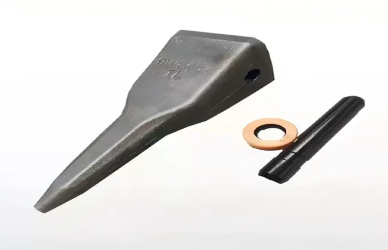
Bucket, Teeth, and Other Attachments: The bucket is one of the most exposed parts of the loader. Over time, the teeth wear down, and the bucket can develop cracks or dents, reducing its effectiveness.
What to Look For: Excessive wear on the teeth, visible cracks or dents in the bucket, or damage to other attachments. A worn-out bucket reduces your loader’s efficiency and can lead to further damage to other parts.
Action: Check the bucket’s edges and teeth for wear and replace them when necessary. Inspect the entire bucket for structural damage, and consider repairing cracks to extend its lifespan.
Engine and Transmission Health: The engine and transmission are vital for powering the loader and enabling smooth operation. Regular checks are essential to ensure these components function efficiently.
What to Look For: Check engine oil levels, inspect for leaks, and listen for unusual sounds like knocking or sputtering. Any irregular noises could indicate internal wear or potential overheating.
Action: Perform regular oil changes and check for fluid leaks around the engine and transmission. Pay attention to strange sounds and address any overheating issues before they cause significant damage.
Proactive maintenance is key to prolonging the life of loader parts, reducing downtime, and avoiding costly repairs. Here are the essential preventive measures:
A consistent maintenance routine helps catch wear early and prevent damage.
Key Tasks: Regular inspections of the undercarriage, hydraulic system, and bucket; lubrication of moving parts; timely replacement of filters, seals, and fluids.
Action: Set a regular maintenance schedule based on operating hours to ensure everything is checked and maintained.
Lubricating high-friction areas reduces wear and keeps parts running smoothly.
What to Lubricate: Bearings, joints, bushings, and hydraulic components.
Action: Use the manufacturer-recommended lubricants, monitor levels, and replace fluids as necessary to prevent heat buildup and corrosion.
Avoid overloading the loader to prevent strain on key parts like the engine and hydraulics.
What to Avoid: Exceeding load limits, which can damage the engine and hydraulic system.
Action: Stick to the manufacturer’s load capacity guidelines to prevent overburdening and ensure the loader operates efficiently.
Knowing when to replace worn-out parts is crucial to maintaining loader efficiency and avoiding more costly damage. Here are key guidelines to help you identify when replacement is necessary:
Detecting parts that are nearing the end of their useful life before they fail can save both time and money.
How to Spot It: Monitor performance closely and look for gradual signs of wear, such as slight vibrations, reduced efficiency, or unusual sounds. Addressing these issues early prevents sudden breakdowns.
Action: Keep track of operating hours and perform routine inspections to catch wear early.
Certain visible and operational changes signal that a part is no longer functioning optimally and needs replacing.
Excessive Wear: Parts showing visible signs of wear, such as thinning or uneven surfaces, should be replaced to prevent further damage.
Cracks and Deformation: Cracks, dents, or warping indicate the part has lost its integrity and could fail if not replaced.
Performance Issues: If parts no longer function as intended (e.g., reduced load capacity, poor lifting performance), replacement is necessary to avoid breakdowns.
Action: Replace parts immediately if they show these signs to prevent more serious damage to other components.
Always refer to the manufacturer's guidelines to determine the expected lifespan of key parts.
What to Check: Manufacturer’s recommendations for replacement intervals for components like hydraulic seals, filters, and bushings.
Action: Replace critical parts based on manufacturer guidelines to avoid premature failure and ensure safe operation.
It’s recommended to conduct visual inspections weekly or after heavy use. Perform more detailed checks monthly or after significant work sessions.
Some parts can be repaired, but if they show extensive wear or damage, replacement is often more cost-effective and ensures safety.
The most common parts to wear out are the undercarriage (tracks, rollers, sprockets), hydraulic hoses, and bucket teeth.
Yes, neglected parts can affect the performance of surrounding components, leading to further damage, increased downtime, and higher repair costs.
Early detection of worn-out loader parts is essential to avoid costly repairs, prolonged downtime, and prevent further damage to the machine. By regularly inspecting key components such as the undercarriage, hydraulic system, and bucket, operators can identify potential issues before they escalate into major problems. Routine maintenance—such as proper lubrication, cleaning, and adhering to manufacturer recommendations—ensures that the loader operates at peak efficiency. Timely replacement of worn-out parts helps maintain optimal performance, reduces the risk of unexpected breakdowns, and extends the loader’s lifespan. Prioritizing these preventive measures is not just about saving money but also about ensuring smooth and productive operations over the long term.


