+86-17692703999
+86-17692703999 No. 6, West Side Auxiliary Road,
Sunshine Street, Linxi County, Xingtai
City, Hebei Province
Sunshine Street, Linxi County, Xingtai
City, Hebei Province

Views: 0 Author: Site Editor Publish Time: 2026-09-14 Origin: Site

Accepting heavy equipment—whether adding a newly acquired used unit to your fleet or receiving a freshly rebuilt machine—is a high-liability moment. You sign the acceptance form. Immediately, you transfer the risk of undocumented wear and mechanical failure directly to your balance sheet. Fleet managers face immense pressure to get assets working quickly. However, rushing this process invites operational disaster.
Beyond standard engine diagnostics and basic fluid checks, visual and structural inspections often overlook the most critical friction points. These hidden wear areas dictate the lifecycle of your machine. When pivot points degrade, entire boom structures face catastrophic stress. Superficial walk-arounds rarely catch these deep mechanical flaws.
This guide provides a rigorous, fleet-manager-level evaluation framework. We will help you verify operational readiness. You will learn to identify hidden structural fatigue effectively. Ultimately, this framework empowers you to make an evidence-based acceptance decision.
The true cost of accepting substandard equipment extends far beyond the initial purchase or lease price. You buy a machine. You put it on the site. Almost instantly, a compromised joint fails. You now face unplanned downtime. Expedited parts shipping drains your budget. Project delays frustrate your clients and trigger penalty clauses.
Many fleet managers mistakenly assume previous owners maintained the equipment perfectly. They rely on fresh paint or a recently washed undercarriage. These cosmetic fixes mask deep mechanical debt. Without a systematic acceptance procedure, you absorb the previous owner's deferred maintenance.
Inheriting safety violations introduces severe liability. OSHA standard 1926.600 explicitly mandates safe operational conditions for heavy equipment. You must verify the integrity of ROPS (Roll-Over Protective Structures) and FOPS (Falling Object Protective Structures). A machine with hairline cracks near the cab mounts fails these standards instantly.
Failing load-bearing joints present equal danger. A snapped boom pin endangers everyone on the ground. If an accident occurs due to pre-existing wear, your company assumes full legal responsibility. Inadequate pre-start or acceptance inspections leave your organization entirely exposed to these compliance hazards.
A successful acceptance process removes all guesswork. You should define success using strict, documented metrics. Ensure your team checks off the following elements before signing any delivery paperwork:
Meeting these criteria guarantees you receive exactly what you paid for. It protects your operational budget from immediate, unexpected shocks.
Simply listening to a diesel engine idle is insufficient. You cannot diagnose internal wear by ear alone. You must demand empirical data. Always perform a blow-by test. Excessive crankcase pressure indicates worn piston rings or damaged cylinder liners.
Analyze the exhaust smoke under heavy load. Black smoke points to unburned fuel or injector issues. Blue smoke indicates oil burning within the combustion chamber. White smoke often reveals coolant leaks or head gasket failures. Furthermore, require historical oil sample records. If the seller cannot provide SOS (Scheduled Oil Sampling) reports, you must assume the worst regarding internal component wear.
Hydraulic systems power the actual work. Inspect every cylinder for scoring. Deep scratches on the chrome rods ruin seals rapidly. Look closely for weeping seals. Even a slow drip indicates pressure loss and impending failure.
Hose degradation requires careful attention. Inspect lines under maximum load. Lift a heavy attachment. Hold it in the air for ten minutes. Measure the drop rate. If the boom slowly falls, you have internal bypass issues in the cylinders or the main control valve. Check the outer rubber on all hoses for dry rot, deep abrasions, and exposed wire braiding.
Undercarriages represent a massive portion of an excavator or dozer's maintenance budget. You must measure track tension carefully. Too tight, and the components bind. Too loose, and the tracks derail. Use a string line to check track sag.
Measure pin and bushing wear across the track chain. Inspect the sprocket teeth. Pointy, sharp teeth mean the sprocket is completely worn out. Always compare your physical caliper measurements against the acceptable manufacturer discard limits. Accepting a machine with a 10% remaining undercarriage life requires immediate capital expenditure.
Table 1: Essential Pre-Acceptance Inspection Parameters| Component Area | Inspection Method | Critical Warning Signs | Acceptance Action |
|---|---|---|---|
| Engine | Blow-by test, exhaust check | Blue/white smoke, high crankcase pressure | Require SOS fluid analysis or reject |
| Hydraulics | Static load hold test | Cylinder drift, weeping seals, scored rods | Demand seal replacement before sign-off |
| Undercarriage | Caliper measurement, string line | Sharp sprockets, stretched chains | Calculate immediate replacement cost |
| Pivot Points | Dial indicator, pry bar leverage | Visible lateral play, lack of fresh grease | Measure against OEM specifications |
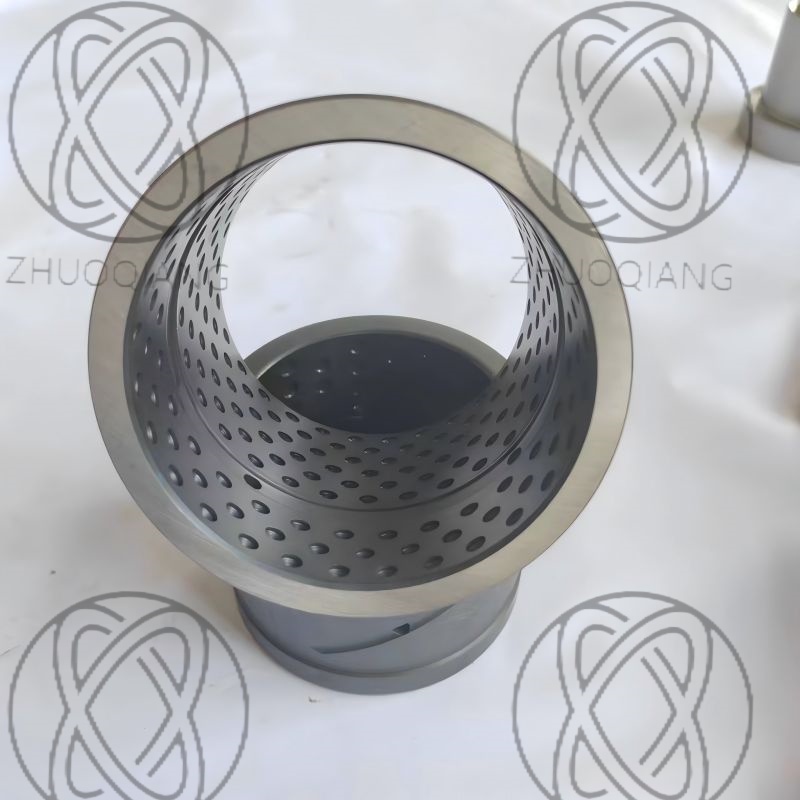
Pins and pivot joints take the most abuse on any job site. They act as the ultimate indicator of the machine’s entire history. Operators who skip daily greasing destroy these components rapidly. If a construction machinery bushing shows excessive play, it signals broader maintenance neglect.
Lack of lubrication allows dirt and sand to enter the joint. This creates an abrasive paste. The metal wears down aggressively. When you find dry, grinding joints, you can safely assume the air filters, oil changes, and fluid top-offs were also ignored. These pivot points tell the honest truth about the previous owner's maintenance culture.
Do not guess when evaluating joint wear. Outline a strict methodology for checking structural play. Focus on bucket pins, boom roots, and articulation joints. Park the machine on level ground. Ground the bucket firmly.
Use a pry bar to check for lateral movement. For precise readings, mount a magnetic dial indicator across the joint. Have the operator gently rock the hydraulics. Read the deflection on the dial. Visual lateral movement under load usually means the joint has already surpassed acceptable limits.
Every manufacturer publishes strict wear tolerances. You must check your dial indicator readings against the manual. Do not rely on "rules of thumb" from mechanics. You need the exact numbers.
Verifying construction machinery bushing specifications determines if the wear is within safe operational limits. If the manual states a maximum clearance of 1.5mm and you measure 3.0mm, the joint requires a line bore and rebuild. Ignoring these specifications leads to sloppy control, accelerated structural fatigue, and potential safety hazards on your job site.
High-stress applications require specific component grades. Mining excavators and heavy quarry loaders face brutal conditions. Standard parts will fail under these loads. You must match the hardware to the application.
During acceptance, verify the presence of heavy-duty components. For critical load-bearing joints, look for high quality construction machinery bushings 110 or equivalent high-hardness specifications. These hardened parts resist impact and abrasive wear far better than mild steel alternatives. Ensuring the right metallurgy is installed prevents premature failure during your first major project.
Never sign a clean acceptance form if you find issues. You must correctly log every non-compliant part. Take clear, well-lit photographs of excessive wear. Capture leaking cylinders, cracked welds, and dry pivot joints.
Create a formal condition report. Date the document. Have the delivery driver or seller sign it acknowledging the defects. This documentation protects your company. It prevents the seller from claiming the damage occurred after you took possession.
Discovering failed inspection points gives you leverage. You have several strategies for handling these discrepancies. First, you can flatly reject the machinery. Send it back if the structural integrity is compromised.
Second, you can negotiate a price reduction. Subtract the cost of parts, labor, and downtime from the final invoice. Third, you can require the seller to replace compromised parts before final delivery. Put this remediation clause in writing. Do not accept verbal promises of "we will fix it later."
Sometimes you must accept a machine "as-is" due to pressing project schedules. When this happens, you must calculate the maintenance debt accurately. This is the immediate capital required to bring the machine up to site-ready standards.
Factor in the cost of a full fluid change. Add the price of new pins, undercarriage parts, and hydraulic seals. Include the labor hours needed for the rebuild. Finally, account for the lost revenue during this shop time. Present this data to your management team so they understand the true operational budget required to deploy the asset safely.
Accepting a machine that requires immediate refurbishment creates an urgent logistical challenge. Fleet managers must evaluate their parts sourcing strategy well in advance. If you need to rebuild the boom root, you cannot afford a four-week shipping delay.
Every construction machinery bushing must arrive quickly and fit perfectly. Establish supply chain readiness by identifying alternative parts networks outside the primary OEM channel. Having reliable aftermarket and OEM-equivalent suppliers keeps your repair timeline aggressive.
Selecting the right parts partner requires due diligence. You must know what to look for in a construction machinery bushing supplier before you place an emergency order. Do not buy based solely on the lowest price.
Focus on metallurgical consistency. Ask about their hardening processes, specifically induction hardening techniques that create tough cores and hard surfaces. Check their inventory availability. A supplier with robust local warehousing reduces downtime drastically. Finally, verify their ISO certifications to ensure consistent manufacturing quality across every batch.
Take immediate action to secure your fleet operations. Establish an internal standard operating procedure (SOP) for heavy equipment inspection. Train your mechanics and operators to follow this SOP relentlessly.
Next, standardize your vendor list for high-turnover wear parts. Pre-approve suppliers for undercarriage components, hydraulic seals, and structural pins. Having this network in place ensures immediate deployment once the machine clears the shop. Proactive planning eliminates the chaos of emergency sourcing.
Accepting machinery demands a skeptical, data-backed approach. You cannot rely on a seller's word. A fresh coat of paint often hides expensive structural problems. By employing strict inspection metrics, you protect your balance sheet from inherited failures.
Scrutinize often-overlooked components rigorously. Measure pivot points and verify tolerances against original manuals. Strict adherence to technical specifications ensures site safety. Fleet managers who implement these rigorous acceptance protocols consistently protect their operational budget and maintain maximum machine uptime.
A: Inspectors frequently miss articulation joints, bushing tolerances, and hidden hairline cracks in the chassis. Many buyers focus entirely on engine noise and fresh paint. They forget to measure load-bearing pivot points. Dirt and grease often obscure structural cracks. Always clean the joints and use a pry bar to expose hidden wear.
A: Acceptable play varies by machine size. You must always refer to specific construction machinery bushing specifications provided by the OEM. Generally, any visible lateral movement under load requires immediate intervention. Using a dial indicator ensures you measure clearances accurately against the manufacturer's maximum discard limit.
A: Immediately quarantine the equipment. Do not let operators use it. Document the specific OSHA or OEM standard failure with clear photos and written logs. Trigger the remediation clause in your purchase or lease agreement. Demand the seller replace the compromised components before you assume financial or legal responsibility.