+86-17692703999
+86-17692703999 No. 6, West Side Auxiliary Road,
Sunshine Street, Linxi County, Xingtai
City, Hebei Province
Sunshine Street, Linxi County, Xingtai
City, Hebei Province

Views: 0 Author: Site Editor Publish Time: 2026-10-27 Origin: Site

Have you ever noticed the base of your excavator attachments wearing out unevenly? It is a frustrating reality on many job sites. You lose critical metal at the base—often called the heel—long before the actual digging tip becomes blunt. This common issue goes beyond shortening the lifespan of your ground engaging tools. It triggers a cascade of expensive downtime and forced replacements. Ultimately, these operational inefficiencies eat directly into your project margins.
Premature wear frequently stems from a combination of aggressive environments and subtle flaws in digging habits. Understanding why this degradation occurs is the first step toward safeguarding your equipment. In this engineering guide, we break down the mechanics behind this wear pattern. We will examine how it compromises machine performance and provide actionable strategies to keep your fleet operating at peak efficiency.
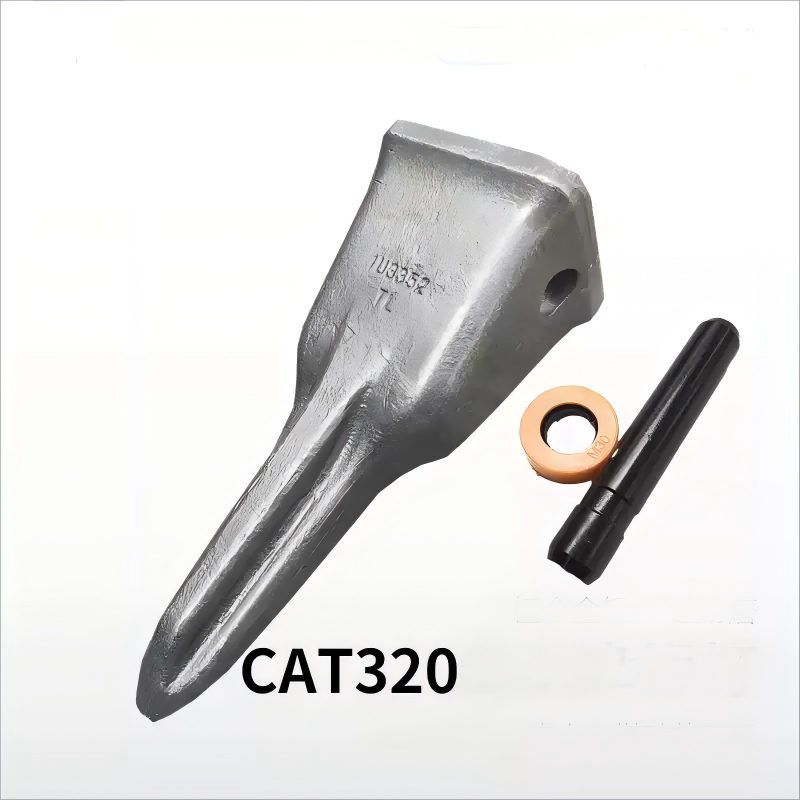
To address the problem, we must first look at the design of an excavator shovel teeth assembly. These components are precision-engineered to withstand immense stress. A typical unit consists of several critical segments. The tip serves as the primary point of penetration. The pocket locks the unit onto the adapter. The pin secures the connection. Finally, the heel acts as the structural base on the underside. Each part plays a specific role in managing heavy-duty forces.
While the tip performs the heavy lifting of breaking ground, the heel acts as a vital sliding surface. As the bucket advances through soil or rock, it relies on this base for guidance. During the crowd and curl phases of the digging cycle, the heel bears massive downward pressure. If excessive friction compromises the geometry of this area, structural degradation accelerates. What starts as a minor maintenance concern quickly shifts into a total performance bottleneck.
The most influential factor often lies in the operator cabin rather than the equipment itself. Operators sometimes drag the bucket flat along the ground to level a surface. This sweeping technique essentially turns the base into a sled. It applies all the abrasive friction directly to the bottom metal. Failing to maintain a proper curl angle forces the heel to grind against the trench floor. Consequently, the tip never gets the chance to pierce the material as intended.
Working in challenging terrains filled with silica sand or crushed stone presents a harsh reality. These materials act like heavy-duty sandpaper. They relentlessly grind away at the steel surface during every cycle. The heel possesses a larger surface area in constant contact with the earth. Therefore, it experiences a higher cumulative rate of metal loss compared to the hardened tip.
Industry trends indicate that many sites suffer from a mismatch between job requirements and selected hardware. Using general-purpose components in highly demanding terrain guarantees rapid metal loss. In contrast, specialized rock teeth are engineered with additional mass and hardened alloys in the bottom area. Heavy-duty ripper tips designed for 6-to-10-ton class machines feature reinforced lower profiles to combat erosive forces. Selecting the wrong profile means lacking the necessary heft to survive punishing job site conditions.
Furthermore, operating without supplementary protective hardware leaves the system vulnerable. Without heel shrouds or hardened wear plates, all abrasive force transfers directly to the base and adapter. This missing sacrificial layer accelerates degradation and turns routine maintenance into an urgent emergency.
Looking at the broader heavy machinery sector, there is a noticeable shift toward application-specific wear parts. Advanced metallurgical analysis reveals that generic casting is no longer sufficient for modern high-cycle excavation. Equipment managers are increasingly leveraging data to track wear patterns. They recognize that heel-first degradation is a leading indicator of inefficient operational habits or improper tool matching. The industry is moving toward high-durability alloys and thicker base profiles as a standard response to these abrasive challenges. This proactive approach significantly reduces unexpected downtime and lowers the total cost of ownership for earthmoving fleets.
When the base is compromised, the negative impact cascades through the entire machine. As the metal wears down, the optimal digging geometry shifts. The machine is forced to ride on the back of the attachment. This phenomenon pushes the tip away from the target material. Penetration efficiency drops dramatically, taking total cycle output down with it.
Operators often compensate for this lack of sharpness by increasing hydraulic power. Pushing the engine to higher RPMs creates unnecessary strain on the drivetrain. It leads to increased fuel consumption and shortens engine maintenance intervals. Even more critical is the risk of catastrophic failure. If the metal wears completely through, the adapter and bucket lip become directly exposed to the ground. This results in irreversible damage carrying a much higher price tag than a simple replacement set.
Optimizing your strategy is essential for sustaining long-term productivity. Choosing reinforced options provides a tactical advantage for heavy-duty operations. Many successful fleet managers now specify high-durability components featuring extra steel mass in high-wear zones. For instance, parts matching the 1U-3352 specification are specifically cast with robust heel sections to survive the constant scraping of rocky surfaces.
In conditions where soil compaction is the primary hurdle, flat penetrating teeth offer a distinct advantage. Their wider, balanced profile distributes friction across a broader surface. This prevents the pinpoint grinding that ruins standard bases. Selecting the right design should always be dictated by your specific cycle needs.
| Tooth Profile | Best Application | Heel Wear Resistance | Primary Advantage |
|---|---|---|---|
| Standard Long | General dirt, loose soil | Moderate | Good penetration, highly versatile |
| Heavy Duty Rock | Granite, abrasive gravel | Excellent | Extra base mass absorbs severe friction |
| Flat Penetrator | Compacted earth, trench leveling | High | Distributes load evenly across the bottom |
Improving equipment longevity often comes down to mastering consistent operational habits. Encourage your team to consistently curl the bucket. Biting into the material with the tip first, rather than sweeping flat, makes a measurable difference in hardware wear rates. Additionally, integrating aftermarket heel shrouds creates a low-cost sacrificial barrier. This absorbs the brunt of grinding forces and insulates the expensive adapter interface.
Beyond technique, implementing a rigorous daily inspection routine is vital. A quick walk-around to check the underside allows for early detection. Identifying thinning metal early lets you rotate or swap components before they reach a point of failure. This simple habit saves the adapter and protects your bottom line.
Knowing exactly when to execute replacements requires balancing safety and economic foresight. You should initiate a replacement plan as soon as the base wears thin enough to threaten adapter strap integrity. If the locking pin starts showing signs of exposure, the tool has served its purpose. The same applies if the functional geometry is lost and efficient penetration is no longer possible.
Attempting to squeeze one more week out of heavily worn parts is usually a false economy. The incremental cost of installing new bucket teeth is negligible compared to repairing a ruined lip or mangled adapter. Proactive maintenance remains the most reliable strategy for minimizing downtime.
Generally, no. These components are cast from highly specialized, heat-treated steel alloys to ensure durability under impact. Attempting to weld filler material back onto a worn base will typically fail. The heat from the welding process ruins the temper of the surrounding metal. This leads to brittle, unpredictable performance and potential breakage. Replacement is always the safest path.
Yes. They are intentionally designed with significantly more wear-resistant material located specifically on the bottom. This extra thickness withstands the severe abrasion of dragging across granite or gravel. Standard profiles are optimized for softer digging where such reinforcement would just add unnecessary weight.
There is no universal timeframe because lifespan is entirely dependent on the material and application. In soft clay, a quality set might last several hundred hours. Conversely, working in highly abrasive materials like crushed granite might necessitate replacement in fewer than 100 hours. Proper component selection and refined operator habits are the biggest levers for maximizing these hours.
Flat penetrators feature a wide, uniform profile specifically designed to slice through tightly compacted ground. This design allows for a smoother trench floor and distributes the abrasive load evenly across the entire base. Standard profiles are typically tapered and pointed. They provide superior focus of force in hard materials but offer less surface area to resist friction during sweeping maneuvers.
Adapter wear is almost always a secondary symptom of running teeth past their useful life. When the heel of the tooth wears completely through, the abrasive ground makes direct contact with the adapter strap. Without the sacrificial protection of the tooth, the softer steel of the adapter degrades rapidly.
Inspect the bottom of your attachments after a shift. If the metal is polished bright and worn flat across the bottom while the tips remain relatively sharp, your angle is too shallow. The bucket is likely being dragged horizontally rather than curled to let the tips penetrate the earth.
Don't let improper wear patterns drain your project budget. Whether you are dealing with highly abrasive rock or compacted soil, selecting the right ground engaging tools is critical for maximizing machine uptime. Evaluate your job site conditions and upgrade your hardware accordingly. For high-durability solutions tailored to your specific fleet, explore the full range of heavy-duty components at MAPartsIntl.com to keep your excavators digging efficiently.